
Does domain age affect SEO, or is buying an older domain just an expensive shortcut that doesn’t actually work?
Imagine spending hundreds of dollars on a 15-year-old domain, expecting it to rank higher on Google, only to discover that a competitor’s brand-new website is outperforming yours.
Frustrating, right?
For years, website owners have debated whether older domains have a natural advantage in search rankings. Some believe an established domain automatically earns Google’s trust, while others argue that age has very little to do with SEO success.
So, who’s right?
Here’s the truth: An older domain does not automatically rank higher simply because it has existed longer. Its content, backlink profile, relevance, and website history matter far more than the registration date alone.
If you’re launching a new website, don’t let the age of a domain discourage you. You can register your domain and get started with TezHost without waiting years to build an online presence.
Let’s explore seven important facts about domain age, search rankings, and what actually helps websites succeed.
1. Does Domain Age Affect SEO Rankings Directly?
Domain age is not an established standalone Google ranking factor. A website doesn’t automatically receive better rankings simply because its domain was registered years ago.
Think about it.
Would Google really rank an outdated website above a newer, more useful one simply because the older domain has existed for 20 years?
That wouldn’t make much sense for users searching for accurate, relevant information.
Google’s ranking systems evaluate numerous signals to identify helpful search results. Domain registration age alone isn’t a reliable measure of quality.
So why do older websites sometimes dominate search results?
Because they’ve had more time to:
- Publish useful content.
- Earn relevant backlinks.
- Develop brand recognition.
- Attract returning visitors.
- Build an established online presence.
The advantage comes from what a website has accomplished over time, not merely how old its domain is.
For additional background, explore our guide to the Impact of Domain Name Age on SEO Ranking.
2. Is Domain Age a Ranking Factor or Just an SEO Myth?
The idea that domain age alone determines rankings is misleading. However, an established website may have accumulated valuable SEO signals throughout its history.
This distinction matters.
Consider two websites:
Website A: A 12-year-old domain with outdated content, broken pages, and very few relevant backlinks.
Website B: A two-year-old domain with helpful articles, a clear website structure, and links from reputable industry publications.
Which website deserves to rank higher?
The answer depends on the search query and the quality of each website—not simply their age.
When discussing the domain age ranking factor, it’s important to separate domain registration history from the website’s actual performance.
Key takeaway: Don’t confuse an older domain with a stronger website.
3. Can a New Domain Outrank an Old Domain?
Yes. A new domain can outrank an older domain when its pages better satisfy search intent and demonstrate stronger relevance and quality.
This is encouraging news for startups and new business owners.
You don’t need to purchase a decade-old domain to compete online.
Instead, focus on creating a website that genuinely helps your audience.

Start with these essentials:
- Publish original, useful content.
- Target keywords relevant to your customers.
- Create descriptive titles and headings.
- Make your website mobile-friendly.
- Improve navigation and internal linking.
- Earn relevant backlinks naturally.
- Monitor your website’s indexing and performance.
For example, a new technology blog publishing genuinely helpful tutorials may outperform an older website that hasn’t updated its information in years.
If you’re wondering, does domain age affect SEO enough to justify delaying your launch?
No. Waiting for a domain to become older is not an effective SEO strategy.
The sooner you launch a useful website, the sooner you can begin building its content and reputation.
Ready to establish your online presence? Explore domain registration with TezHost or talk to our sales team for assistance.
4. Does Buying an Old Domain Improve SEO?
Buying an old domain does not guarantee better SEO performance. Its previous content, backlink profile, reputation, and relevance are more important than its age.
An aged domain might look attractive because someone else has already owned it for years.
But there’s a catch.
You could be buying someone else’s problems.
An old domain may have:
- A history of spammy content.
- Unnatural or irrelevant backlinks.
- Previous security issues.
- A reputation associated with an unrelated industry.
- Search visibility problems.
- A history of being used for misleading redirects.
This is why old domain SEO requires careful research.
Before purchasing an aged domain, investigate its history.
You can review historical website snapshots using the Wayback Machine, examine available registration records, and analyze backlinks using reputable SEO tools.
Also remember that Google has policies against expired-domain abuse, including repurposing expired domains primarily to manipulate search rankings.
A clean, memorable new domain can be a better investment than an old domain with a questionable history.
5. Does Domain Extension Matter More Than Domain Age?
Domain extensions can influence branding and geographic targeting, but common extensions such as .com, .net, and .org do not automatically receive a ranking advantage.
Choosing the right extension is an important branding decision.
For example:
| Domain Extension | Common Use |
|---|---|
| .com | Businesses and general websites |
| .org | Organizations and communities |
| .net | Technology and general websites |
| .pk | Websites targeting Pakistan |
| .tech | Technology-focused brands |
| .store | Online stores |
Country-code domains can help communicate geographic relevance, while generic extensions can work well for international audiences.
However, choosing .com instead of .net won’t automatically push your website higher in Google.
The better question isn’t simply, does domain age affect SEO?
It’s also whether your domain name is recognizable, relevant, and appropriate for your target audience.
For more insights, read our article on the Impact of Domain Extensions on SEO.
You can also explore available domain extensions at TezHost before making your decision.
6. What Matters More Than Domain Age for SEO?
Helpful content, relevant backlinks, search intent, technical accessibility, and a positive user experience are more actionable SEO priorities than domain age.
If you’re spending most of your time worrying about your domain’s registration date, you may be overlooking improvements that could actually help your website.
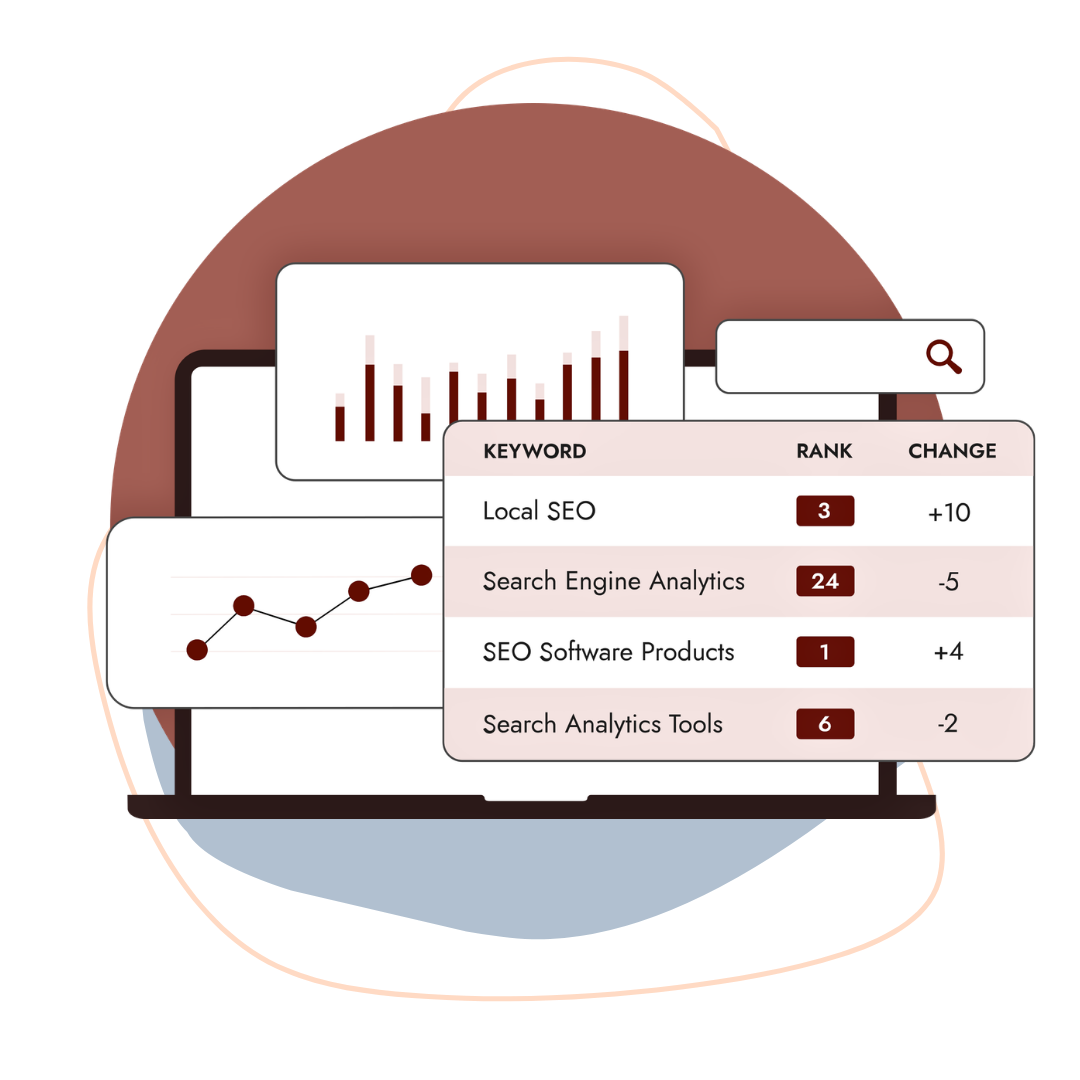
Here are five areas worth prioritizing.
1. Content Quality
Create articles and pages that answer real questions.
Don’t publish content simply to fill your website with keywords.
2. Relevant Backlinks
Earn links from credible websites in your industry.
A few relevant, editorially earned links may be more useful than numerous low-quality links.
3. Website Performance
Make sure visitors can access your pages quickly and reliably.
Slow, frustrating experiences can discourage visitors and affect business results.
4. Technical SEO
Review indexing, internal links, canonical tags, redirects, and mobile usability.
Search engines need to discover and understand your content.
5. Search Intent
Understand what users actually want when they search.
Someone searching for a domain registrar needs a different page from someone researching SEO strategies.
Old domain SEO works best when an established website has maintained quality and relevance—not when it relies on age alone.
Want to build your website on a reliable hosting foundation? Visit TezHost or speak with a sales agent to explore your options.
7. How Is TezHost Revolutionizing Domain Registration and Online Growth?
TezHost helps businesses simplify their online journey by bringing domain registration and hosting solutions together, making it easier to establish and manage an online presence.
At TezHost, we believe launching a successful website shouldn’t depend on finding an expensive, decades-old domain.
It should begin with choosing a name that represents your business and building a website that delivers value.
Domain Registration for New Businesses
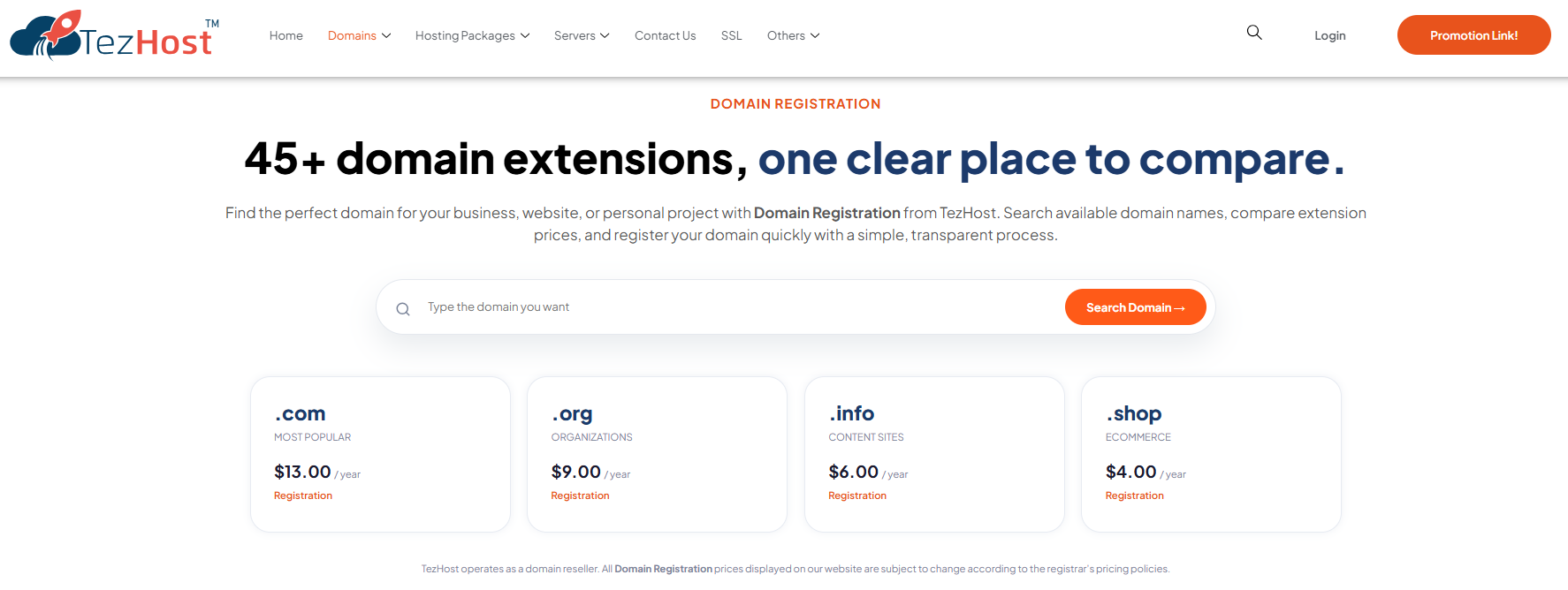
Whether you’re launching a startup, an online store, or a personal brand, you can explore TezHost Domain Registration to find a suitable name and extension.
Hosting Solutions for Growing Websites
Your domain is your online address.
Your hosting provides the infrastructure that makes your website accessible.
With TezHost’s hosting solutions, businesses can explore services suited to different website requirements.
Guidance When You Need It
Choosing a domain extension, registering a name, or comparing hosting packages can feel overwhelming when you’re just getting started.
That’s why our team is available to help you understand the options.
Our approach is simple: Help businesses build a sustainable online presence instead of chasing SEO shortcuts.
Still wondering does domain age affect SEO enough to justify purchasing an expensive aged domain?
Before spending extra, consider investing in better content, a recognizable brand, and a website that serves your customers well.
Ready to get started?
Register with TezHost or chat with our sales team to explore available domain and hosting services.
Frequently Asked Questions
Does Domain Age Affect SEO in 2026?
Domain age alone is not an established direct Google ranking factor in 2026. Older websites may perform well because of their accumulated content, backlinks, and reputation, but registration age doesn’t guarantee higher rankings.
Is a 10-Year-Old Domain Better Than a New Domain?
Not necessarily. A 10-year-old domain with poor-quality content or a problematic history may be less valuable than a new domain with strong branding potential.
How Can I Check My Domain Age?
You can check available domain registration records using RDAP or WHOIS lookup services. Historical website archives can also help you understand how a domain was previously used.
Keep in mind that registration dates and website launch dates aren’t always the same.
Should I Buy an Aged Domain for SEO?
Only if the domain offers genuine value beyond its age. Evaluate its branding potential, relevant backlink profile, past content, and reputation before purchasing.
Does Registering a Domain for Several Years Improve Rankings?
There is no reliable evidence that paying for multiple registration years directly improves Google rankings. Multi-year registration can be useful for convenience and reducing the risk of accidental expiration.
Can a New Website Rank on Google’s First Page?
Yes. New websites can reach Google’s first page when their content is relevant and competitive for the search query. However, rankings depend on many factors and aren’t guaranteed.
Conclusion: Domain Age Doesn’t Build Rankings—Your SEO Strategy Does
So, does domain age affect SEO?
The most important thing to understand is that an older domain doesn’t automatically mean better search rankings.
A domain’s history may contain valuable assets, such as relevant backlinks and established content, but those benefits shouldn’t be confused with the registration date itself.
If you’re launching a new business, don’t worry about competing with websites that have been online for decades.
Focus on what you can control:
- Choose a memorable domain.
- Publish helpful content.
- Build relevant backlinks.
- Maintain a technically sound website.
- Improve your online presence consistently.
Your domain’s age tells people how long it has existed. Your website’s quality gives them a reason to visit.
At TezHost, we’re here to help you take that first step.
Start building your online presence today:
Explore Domain Registration | Register with TezHost | Talk to Our Sales Team
One final question: Would you rather invest in a 15-year-old domain or use that money to build a better website?
Share your thoughts in the comments!