Hosting multiple websites can be simpler and more affordable when you choose the right hosting structure. But should you keep several websites under one account or separate them across different hosting accounts? The answer depends on traffic, security, resource usage, application requirements, and how independently each site needs to operate.
For a small business, agency, developer, or entrepreneur managing several projects, a single account may reduce administration. Separate accounts, however, can provide better isolation and make it easier to manage different clients or high-demand websites. Before choosing, register with TezHost and explore hosting options that match your projects. If you are unsure which setup is suitable, talk to a TezHost sales agent.
1. One Hosting Account vs Multiple: What Is the Difference?
A single hosting account can contain several websites when the plan supports addon domains or multiple website installations. Each site can have its own domain, document root, database, email accounts, and SSL configuration, depending on the hosting environment.
With separate accounts, each website has its own hosting control panel and allocated resources. This can make access management and troubleshooting easier, particularly when websites belong to different businesses or clients.

The choice between one hosting account vs multiple accounts is not simply about the number of domains. When hosting multiple websites, consider who manages each site, how much traffic it receives, and whether one site’s problems could affect the others.
For example, a company with a main website, a campaign microsite, and a small blog may manage them together. A development agency hosting unrelated customer websites may prefer separate accounts or reseller hosting to maintain clearer boundaries.
2. When Does Hosting Multiple Websites on One Account Make Sense?
Hosting multiple websites under one account is often practical when the sites are small, related, and have predictable resource requirements. It can reduce the number of subscriptions, control panels, and renewal dates you need to track.

A single account may suit:
- A business operating several brand or regional websites.
- A freelancer maintaining a portfolio and personal blog.
- A small organisation running a main site and campaign pages.
- A developer testing or maintaining a few low-traffic projects.
However, check the plan’s actual website or addon-domain limit. A plan that permits several domains does not necessarily provide unlimited CPU, RAM, storage, database capacity, or bandwidth. Every website shares the account’s available resources.
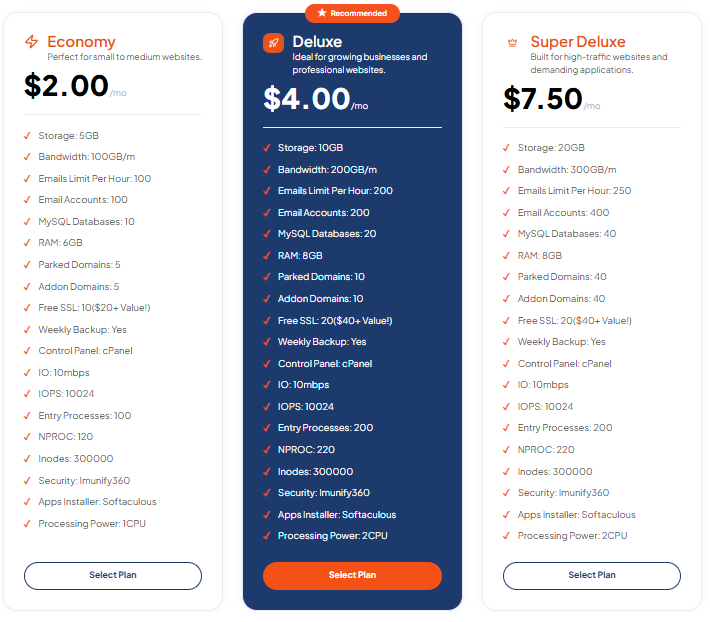
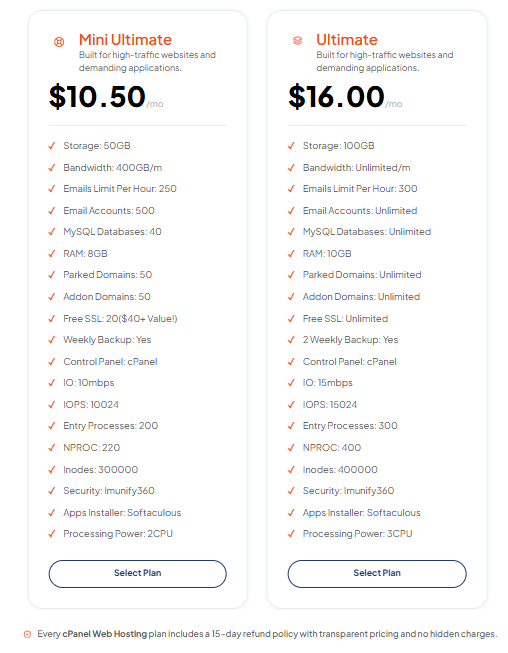
TezHost’s cPanel hosting plans list specific addon-domain and resource limits. For example, the Economy plan includes 5GB storage, 100GB monthly bandwidth, and 5 addon domains; the Deluxe plan includes 10GB storage, 200GB bandwidth, and 10 addon domains. Always compare the current plan details before deciding.
3. When Should You Use Separate Hosting Accounts?
A separate account is worth considering when websites have different owners, security requirements, traffic patterns, or technical needs. It also helps prevent routine changes on one project from becoming an account-wide management issue.

Choose separate accounts when:
- You host websites for different clients and need to keep access separate.
- One website handles payments, customer information, or sensitive business data.
- Sites require different software versions or server configurations.
- A high-traffic site needs dedicated resources or independent scaling.
- You want separate billing, backups, or administrative permissions.
When hosting multiple websites for different clients or business units, separate accounts can make ownership and permissions easier to manage. Separate accounts do not automatically guarantee complete isolation if they still share the same physical server. The level of isolation depends on the hosting architecture and account configuration.
In short, one hosting account vs multiple is a decision about control and risk as much as convenience. Separate accounts can improve operational boundaries, but you should confirm the provider’s isolation and security model.
4. How Do You Choose a Multi Site Hosting Plan?
A suitable multi site hosting plan should be selected according to the combined requirements of all websites, not just the number of domains. For hosting multiple websites, estimate the storage, traffic, processing, databases, email, and backup needs of every site.

Check these factors before purchasing:
- Website limits: Confirm how many websites, addon domains, and databases are allowed.
- Storage: Include website files, media, application files, logs, and database growth.
- Bandwidth: Estimate visitor traffic, page size, downloads, video, and API usage.
- CPU and RAM: Dynamic websites, ecommerce stores, and applications may need more processing capacity.
- Entry processes and I/O: These limits can affect how many simultaneous requests your account can handle and how quickly it can read or write data.
- Backups and SSL: Check backup frequency, retention, restore options, and certificate coverage.
- Support: Make sure the provider can help with migrations, configuration, and troubleshooting.
For a deeper explanation, read how much bandwidth you need. If you want help comparing requirements, speak with the TezHost team.
5. What Technical Risks Should You Consider?
The main risk of hosting multiple websites in one account is resource contention. If one site receives a traffic spike, runs an inefficient script, or experiences a security incident, it may consume resources or create problems for other sites in the same account.
Use separate databases and document roots for each website. Keep applications, themes, plugins, and server-side runtimes updated. Apply strong passwords and multi-factor authentication where available, and give collaborators only the access they need.

Also consider:
- Malware spread: A compromised site can create risks for other sites under the same account, especially when permissions are weak.
- Backup recovery: Confirm whether you can restore one website without overwriting the others.
- Email reputation: A compromised script or mailbox can affect outgoing mail from the account.
- Application compatibility: Different sites may need different PHP or Node.js versions and configurations.
- Performance bottlenecks: Large databases, heavy plugins, and poorly optimised queries can affect shared resources.
A multi site hosting plan is convenient, but convenience should not replace isolation, monitoring, and regular maintenance when hosting multiple websites. If the websites are business-critical, plan for individual backups and test restoration before an outage occurs.
6. Can You Host Different Types of Websites Together?
Yes, provided the hosting plan supports the required technologies and resource limits. You may be able to host WordPress, static HTML, PHP applications, and other supported sites in the same account. But not every shared plan supports every runtime or custom configuration.
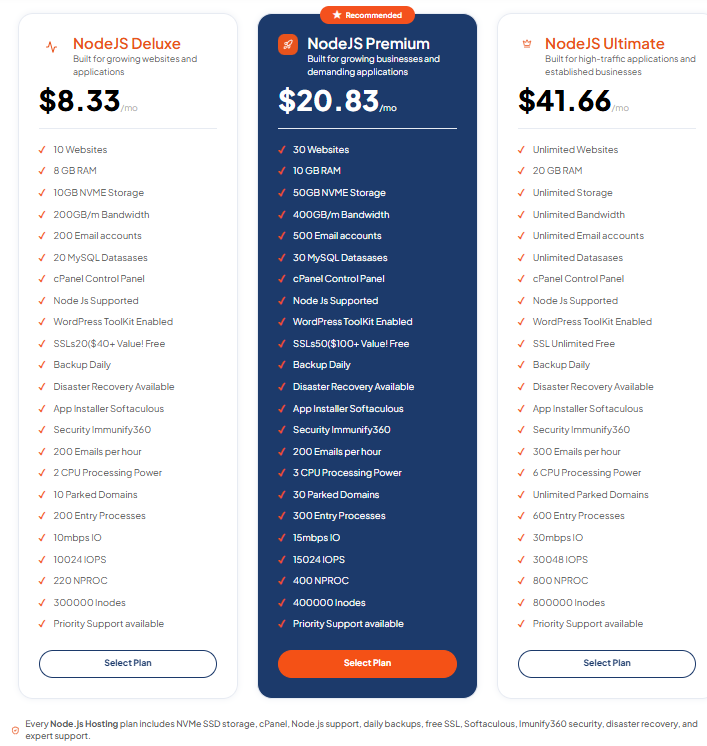
For example, Node.js applications need a compatible hosting environment, application process management, and suitable resource allocations. TezHost’s Node.js hosting offers plans with cPanel and native Node.js support. The listed plans include options for 10 websites, 30 websites, and an unlimited website tier, each with different storage, bandwidth, RAM, and processing limits.

This is why hosting multiple websites requires checking application compatibility as well as domain limits. If one project needs Node.js while another is a standard WordPress site, confirm that the same account supports both workloads before migrating or purchasing.
7. How TezHost Is Making Multi-Website Management More Practical
TezHost provides hosting options for customers managing anything from a first website to several business sites and modern applications. Its cPanel hosting plans publish addon-domain, storage, bandwidth, database, RAM, and processing limits, helping customers compare packages against real requirements.
For projects that need Node.js, TezHost Node.js hosting combines native Node.js support with cPanel, NVMe storage, daily backups, free SSL, Softaculous, and Imunify360 security. The available tiers specify different website limits and resources, so developers can choose according to application demand rather than relying on a generic unlimited claim.
This approach makes hosting multiple websites more practical by offering different environments for different workloads. Customers can start with a suitable shared plan and consider a more capable option as traffic or application complexity grows. The right choice still depends on the sites’ actual usage, required isolation, and technical needs.
Explore TezHost to compare available services, or register here. If you want guidance before selecting a package, talk to a sales agent.
Frequently Asked Questions
Is it cheaper to host multiple websites on one account?
It can be. A single account may cost less than purchasing separate plans, particularly for small websites with modest traffic. Compare the total price with the resources, domain limits, backup options, and support included. A cheaper plan may become restrictive if the sites grow.
Can one hosting account affect all my websites?
Yes. Websites in one account generally share some account-level resources and administration. A traffic spike, malware infection, or resource-heavy application can affect other sites. Separate accounts can improve boundaries, but confirm the provider’s underlying isolation.
How many websites can I host on one plan?
The limit depends on the hosting package. Some plans allow only one website, while others support multiple addon domains or higher website limits. Check the provider’s published limits for domains, storage, databases, CPU, RAM, and bandwidth before purchasing.
Should an agency use one hosting account vs multiple accounts?
Agencies should consider client separation, access control, billing, backups, and the impact of one client’s website on another. Separate accounts or reseller hosting may be more suitable when clients need independent access and administration.
What should I look for in a multi site hosting plan?
Look beyond the website count. Check storage, monthly bandwidth, CPU, RAM, entry processes, database limits, backups, SSL, security tools, application compatibility, and support. The best plan is the one that can handle the combined workload reliably.
Conclusion
The decision to use one account or several depends on how your websites are managed and what they need from the server. A single account can be convenient for related, low-traffic projects. Separate accounts are often better when websites have different owners, security requirements, resource demands, or operational responsibilities.
Before choosing a multi site hosting plan, calculate your combined resource needs and check the provider’s actual limits. If you are hosting multiple websites, do not choose based on domain count alone. Consider performance, isolation, backups, and room to grow.
Compare TezHost cPanel hosting and Node.js hosting to find an environment for your projects. Register with TezHost, or contact the sales team for help selecting the right plan.