Is my web host reliable? It’s a question every website owner should ask before slow loading times, unexpected downtime, or poor technical support start affecting their business.
Here’s something worth thinking about.
Your website could look fantastic, rank well on Google, and offer incredible products. But what happens when customers click on it and nothing loads?
They wait.
They refresh.
And eventually, they leave.
Now imagine that happening during your biggest sale of the year.
Not exactly the customer experience you had in mind, right?
The truth is, your hosting provider plays a major role in how customers experience your business online.
A reliable web host helps keep your website accessible, responsive, secure, and ready to handle visitors.
But how can you tell whether your current provider is doing its job?
And when should you consider switching?
At TezHost, we believe businesses deserve hosting that supports their growth rather than creating unnecessary obstacles.
If you’re exploring hosting options, you can register with TezHost and review our available services.
Not sure which hosting plan suits your website? Talk to a TezHost sales agent to discuss your requirements.
Let’s explore seven reliable web host signs that can help you evaluate your current provider.
1. Is My Web Host Reliable If My Website Rarely Goes Down?
A reliable web host should provide consistently high uptime, but occasional downtime alone doesn’t necessarily mean your provider is unreliable.
Uptime measures the percentage of time your website remains accessible.
Many hosting providers advertise a 99.9% uptime target, but it’s important to understand what that actually means.
| Uptime Percentage | Approximate Downtime per 30-Day Month |
|---|---|
| 99% | 7 hours, 12 minutes |
| 99.5% | 3 hours, 36 minutes |
| 99.9% | 43 minutes |
| 99.95% | 22 minutes |
| 99.99% | 4 minutes |
These figures are mathematical approximations, not guarantees of actual downtime.
That difference can matter, particularly for ecommerce websites, booking platforms, and customer-facing applications.

How Can You Perform a Hosting Uptime Check?
The simplest way to check hosting uptime is to monitor your website from an independent service over several weeks.
You can use monitoring tools such as UptimeRobot or Pingdom to track availability.
When evaluating the results:
- Monitor your website continuously.
- Review the frequency and duration of outages.
- Check whether problems occur during peak traffic.
- Compare actual performance with your hosting agreement.
- Investigate recurring downtime.
Remember: A provider’s advertised uptime target isn’t the same as independently measured uptime.
If your website repeatedly becomes unavailable, it’s worth investigating.
2. How Fast Should a Reliable Web Host Be?
A reliable web host should deliver consistent server performance and support fast website loading, although actual speed also depends on website design, caching, and visitor location.
Imagine visiting an online store.
You click on a product.
The page takes several seconds to load.
You try another product.
Same problem.
How long would you stay?
Probably not very long.
Website speed influences user experience, conversions, and search performance.

What Should You Check?
Look at:
Server Response Time: How quickly the server begins responding to a request.
Loading Performance: How quickly important page content becomes visible.
Performance Consistency: Whether your website slows down during busy periods.
Server Resources: Whether your hosting plan provides sufficient CPU, RAM, and storage performance.
Google’s Core Web Vitals provide useful indicators of real-world page experience.
For example, the recommended Largest Contentful Paint (LCP) threshold is 2.5 seconds or less for a good experience.
However, LCP measures page rendering performance, not hosting speed alone.
Quick Hosting Performance Test
Use tools such as PageSpeed Insights or GTmetrix to evaluate your website.
Run several tests instead of relying on one result.
If your website remains slow after appropriate optimization, your hosting resources may be part of the problem.
3. Is My Web Host Reliable If Customer Support Takes Hours?
A reliable hosting provider should offer accessible technical support and communicate clearly when customers experience service problems.
Let’s say your website suddenly goes offline.
You contact support.
No response.
You wait.
Still nothing.
Meanwhile, customers are trying to access your website.
That’s when you discover that hosting support isn’t just another feature. It’s part of your business continuity plan.

What Are the Signs of Good Hosting Support?
Look for:
- Clearly advertised support channels.
- Reasonable initial response times.
- Helpful technical explanations.
- Transparent incident updates.
- Effective escalation procedures.
- Support availability that matches your business needs.
One important distinction:
A fast response doesn’t always mean a fast resolution.
A provider may acknowledge your ticket within minutes but still require time to diagnose and fix a complex issue.
What matters is how effectively the team communicates and works toward a solution.
How Can You Test Hosting Support?
Before purchasing, ask a few technical questions.
For example:
- What happens if my website goes offline?
- Is technical support available around the clock?
- How are critical incidents escalated?
- Do you offer website migration assistance?
Pay attention to the clarity and usefulness of the answers.
If you’d like to discuss your hosting requirements, connect with a TezHost sales agent.
4. What Security Features Should a Reliable Web Host Offer?
A reliable web host should provide appropriate infrastructure security and clearly explain which protections are included in your hosting plan.
Cybersecurity isn’t something businesses can afford to ignore.
But there’s an important point many website owners overlook.

Hosting security is a shared responsibility.
Your provider may secure its infrastructure, but you still need to protect your website, applications, passwords, and user accounts.
Essential Security Features to Look For
Depending on your hosting service, consider:
SSL/TLS Support: Helps encrypt communication between visitors and your website.
Malware Protection: Helps identify or reduce malicious activity.
Firewall Protection: Helps filter potentially harmful traffic.
Backup Options: Supports recovery after accidental deletion, technical failures, or security incidents.
Software Updates: Helps address known vulnerabilities.
Account Isolation: Reduces certain risks associated with shared hosting environments.
Are Backups Always Included?
No. Backup availability, frequency, retention, and restoration options vary between hosting providers and plans.
Before purchasing, ask:
- Are backups automatic?
- How often are they created?
- How long are they retained?
- Can I restore individual files?
- Are restoration services included?
- Can I maintain an independent backup?
A backup feature is only valuable if you can successfully restore your data when needed.
The safest approach is to understand your provider’s responsibilities and maintain appropriate independent backups.
5. Can Cheap Web Hosting Still Be Reliable?
Yes. Affordable hosting can be reliable when the provider offers suitable resources, transparent pricing, and dependable service for your website’s requirements.
Expensive hosting isn’t automatically better.
And cheap hosting isn’t automatically bad.

The real question is:
Are you getting the performance, features, and support your website actually needs?
A small business website may run perfectly well on an affordable shared hosting plan.
A high-traffic ecommerce store, however, may require more dedicated resources.
What Should You Compare?
| Hosting Factor | What to Look For |
|---|---|
| Price | Affordable plans with clear renewal costs |
| Storage | Sufficient space for your website |
| CPU and RAM | Resources appropriate for your workload |
| Bandwidth | Suitable traffic allowances |
| Security | Clearly defined protective features |
| Backups | Transparent backup and recovery options |
| Support | Accessible assistance when needed |
| Scalability | Options to upgrade as your business grows |
What’s the Biggest Pricing Mistake?
Choosing a hosting provider based only on its introductory price.
A low initial price can be attractive.
But you should also check renewal charges, optional add-ons, resource limits, and migration costs.
If you’re comparing budget-friendly options, explore our guide on Affordable Web Hosting in Pakistan.
Affordable hosting should help you control costs without compromising the requirements that matter to your business.
6. How Do You Know When It’s Time to Change Your Web Host?
You should consider changing your web host when recurring service problems continue despite reasonable troubleshooting and support efforts.
Not every technical problem requires switching providers.
Sometimes, a slow website simply needs better caching.
Sometimes, a plugin causes unexpected errors.
And sometimes, the hosting plan no longer has enough resources.
But certain warning signs deserve attention.

Seven Red Flags You Shouldn’t Ignore
1. Frequent Unexplained Downtime
Your website repeatedly becomes unavailable without clear explanations.
2. Consistently Slow Performance
Your pages remain slow even after reasonable website optimization.
3. Unresponsive Support
Critical problems remain unaddressed, with little communication.
4. Unexpected Charges
Your invoices contain fees you weren’t expecting or can’t easily understand.
5. Limited Growth Options
Your provider cannot offer suitable resources as your website expands.
6. Unclear Backup Policies
You don’t know how your data is protected or restored.
7. Recurring Technical Problems
The same issues keep returning without a satisfactory resolution.
Should You Switch Immediately?
Not necessarily. First, document the problems, review your current plan, and give your provider an opportunity to investigate.
If the issues continue, compare alternative hosting solutions.
Before migrating, make sure you have a current backup and a clear migration plan.
Your hosting provider should support your business growth, not become another problem you constantly need to manage.
7. How Is TezHost Revolutionizing Reliable Web Hosting?
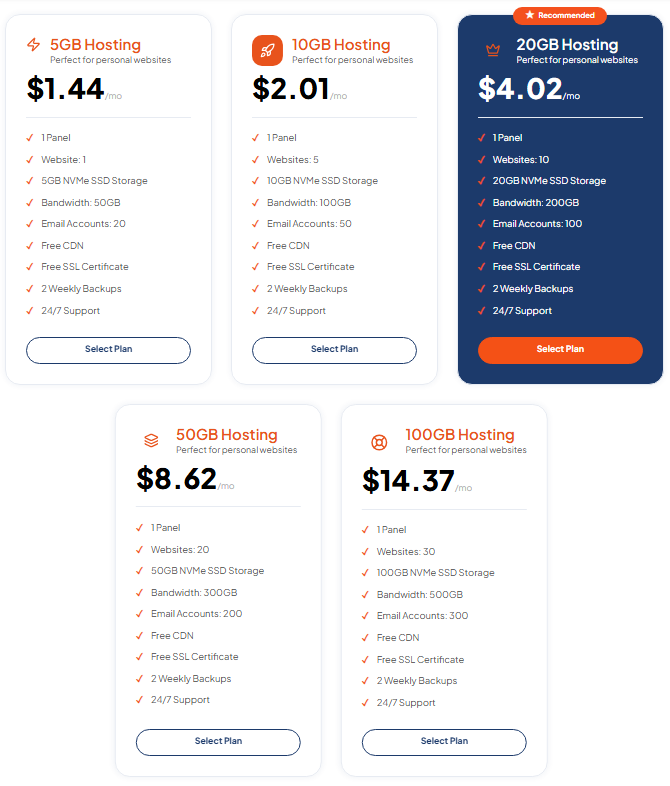
TezHost is helping businesses access practical hosting solutions by combining a range of infrastructure options, technical support, and services designed for different website requirements.
At TezHost, we understand that hosting isn’t just about keeping files on a server.
It’s about helping businesses remain accessible to their customers.
It’s about giving entrepreneurs the confidence to launch their ideas.
And it’s about providing infrastructure that can support changing business needs.
Performance-Focused Hosting Solutions
Different websites need different levels of performance.
TezHost offers hosting solutions for a variety of workloads, including:
- Shared web hosting.
- WordPress hosting.
- cPanel hosting.
- VPS hosting.
- Cloud servers.
- Dedicated servers.
This allows customers to explore options based on their technical requirements and budgets.
Hosting That Can Grow with Your Business
Your first website might only attract a few visitors each day.
But what happens when your traffic increases?
Or when your online store starts receiving more orders?
TezHost offers different hosting configurations so businesses can evaluate higher-resource solutions as their needs evolve.
Security-Conscious Infrastructure
TezHost emphasizes the importance of infrastructure security and appropriate account protection.
Available security features vary by service and plan, so customers should review the specific protections, backup options, and management responsibilities before purchasing.
Customer-Focused Technical Assistance
Technical issues don’t always happen at convenient times.
TezHost promotes 24/7 customer support and provides assistance through its available support channels.
Customers should confirm the scope of support included with their chosen service, particularly when comparing managed and unmanaged hosting.
Domains and Hosting Together
Launching a website also requires a domain name.
TezHost provides domain registration alongside hosting services, helping businesses explore their online infrastructure needs through one provider.
You can search for a domain with TezHost when establishing or expanding your online presence.
A Practical Approach to Hosting
We believe customers should understand what they’re purchasing.
That means choosing hosting based on actual requirements rather than simply selecting the most expensive package.
Our goal is to help businesses find hosting solutions that make sense for their websites, applications, and long-term plans.
Not sure which plan is right for you?
Talk to a TezHost sales agent and discuss your website’s requirements before making a decision.
8. How Can You Test Your Web Host’s Reliability in 15 Minutes?
You can perform a useful initial hosting reliability check in approximately 15 minutes by reviewing availability records, website speed, security settings, and support responsiveness.
It won’t replace long-term monitoring, but it can help you identify areas that need attention.

Your 15-Minute Hosting Checklist
| Time | Action | What You’re Checking |
|---|---|---|
| 3 minutes | Review uptime monitoring data | Recent outages and availability trends |
| 3 minutes | Run a website speed test | Loading performance and server response |
| 2 minutes | Check SSL/TLS and backups | Basic security and recovery readiness |
| 3 minutes | Review hosting resource usage | CPU, RAM, storage, and traffic limits |
| 2 minutes | Check support history | Response quality and unresolved issues |
| 2 minutes | Review your hosting invoice | Pricing clarity and unexpected charges |
What If You Don’t Have Uptime Data?
Start monitoring today.
A single test cannot establish whether a provider consistently meets its uptime commitments.
For a more meaningful assessment, collect data over several weeks.
What’s the Most Important Reliability Indicator?
Consistency.
A website that loads quickly once but becomes unavailable every few days isn’t delivering a dependable experience.
Look for stable performance over time.
The best hosting decisions are based on evidence, not advertising promises.
Frequently Asked Questions About Web Hosting Reliability
Is My Web Host Reliable If It Offers 99.9% Uptime?
A 99.9% uptime target is common, but reliability depends on actual performance, support quality, and how the provider handles incidents.
Use independent monitoring to evaluate your website’s availability.
How Can I Check My Hosting Uptime?
Use an uptime monitoring service to test your website at regular intervals.
Review outage frequency, duration, and availability trends over several weeks.
What Are the Signs of a Reliable Web Host?
Reliable web host signs include consistent uptime, stable performance, responsive support, transparent pricing, suitable security measures, and clear backup policies.
Does Website Speed Depend on Hosting?
Yes, hosting infrastructure and server resources influence website performance.
However, website design, caching, images, scripts, and visitor location also affect loading speed.
Is Cheap Web Hosting Reliable?
It can be. Reliability depends on the provider’s infrastructure, service quality, resource allocation, and the requirements of your website.
How Often Should I Check Hosting Performance?
Critical websites should use ongoing monitoring.
Business owners should also review performance, security, and resource usage regularly.
When Should I Switch Hosting Providers?
Consider switching when recurring downtime, slow performance, inadequate support, or resource limitations continue despite reasonable troubleshooting.
Can TezHost Help Me Choose a Hosting Plan?
Yes. TezHost offers different hosting services, and its sales team can discuss available options based on your website’s requirements.
Contact TezHost Sales for assistance.
Conclusion: Your Website Deserves Hosting You Can Depend On
Is my web host reliable? The answer shouldn’t depend on guesswork.
Your website is often the first interaction customers have with your business.
It represents your brand.
It generates inquiries.
It supports sales.
And in many cases, it plays an essential role in daily operations.
That’s why hosting reliability matters.
A dependable provider should deliver consistent performance, appropriate security, accessible support, and clear information about the services you’re purchasing.
If your current hosting provider meets those expectations, that’s great.
But if you’re regularly dealing with downtime, slow loading times, or unresolved technical issues, it may be time to review your options.
At TezHost, we’re committed to helping businesses find hosting solutions that support their online goals.
Is Your Current Hosting Helping Your Business Grow?
Don’t wait for another outage to start asking the right questions.
Whether you’re launching your first website, upgrading your hosting, or considering a migration, explore the services available at TezHost.
Explore affordable hosting:
Discover TezHost Hosting Solutions
Ready to get started?
Register with TezHost
Not sure whether your current hosting is right for you?
Talk to a TezHost Sales Agent
Because your website shouldn’t just be online. It should be ready when your customers need it.