Shared vs VPS vs dedicated hosting is one of the most important comparisons you’ll make when choosing a home for your website. Shared hosting is generally best for beginners and small websites, VPS hosting offers greater control and allocated resources for growing businesses, while dedicated hosting provides an entire physical server for demanding applications.
But here’s the question: Are you paying for the hosting you actually need, or spending money on resources your website may never use?
Choosing the wrong hosting plan can affect website performance, security, scalability, and your monthly budget.
A small business website doesn’t necessarily need an expensive dedicated server. Similarly, a high-traffic e-commerce store may eventually outgrow a basic shared hosting plan.
Understanding the differences helps you avoid unnecessary expenses while preparing your website for future growth.
At TezHost, we help businesses explore hosting solutions that match their technical requirements, traffic expectations, and budgets.
Ready to launch your website? Register with TezHost today and explore hosting options for your next project.
In this guide, we’ll compare shared, VPS, and dedicated hosting, explain seven important decision-making factors, and help you determine which solution best suits your business.
1. What Is the Difference Between Shared, VPS, and Dedicated Hosting?
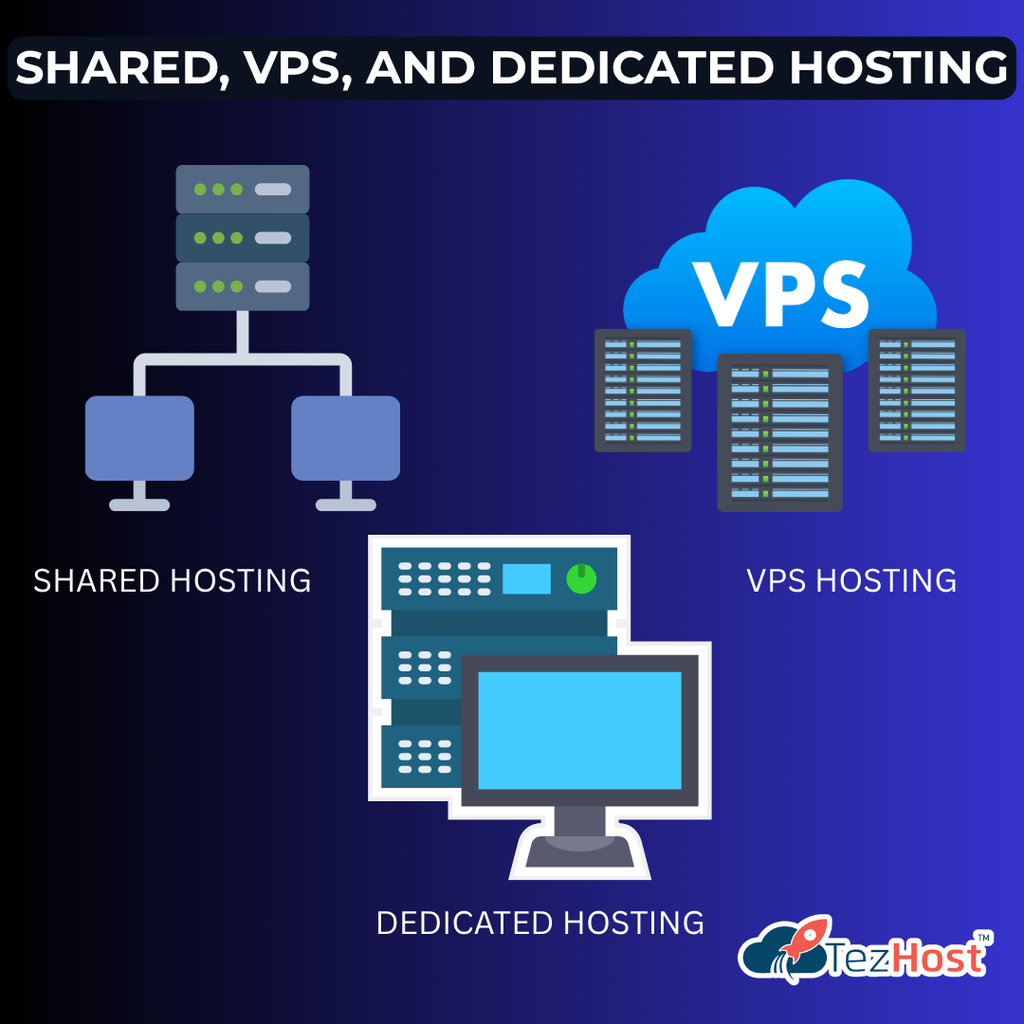
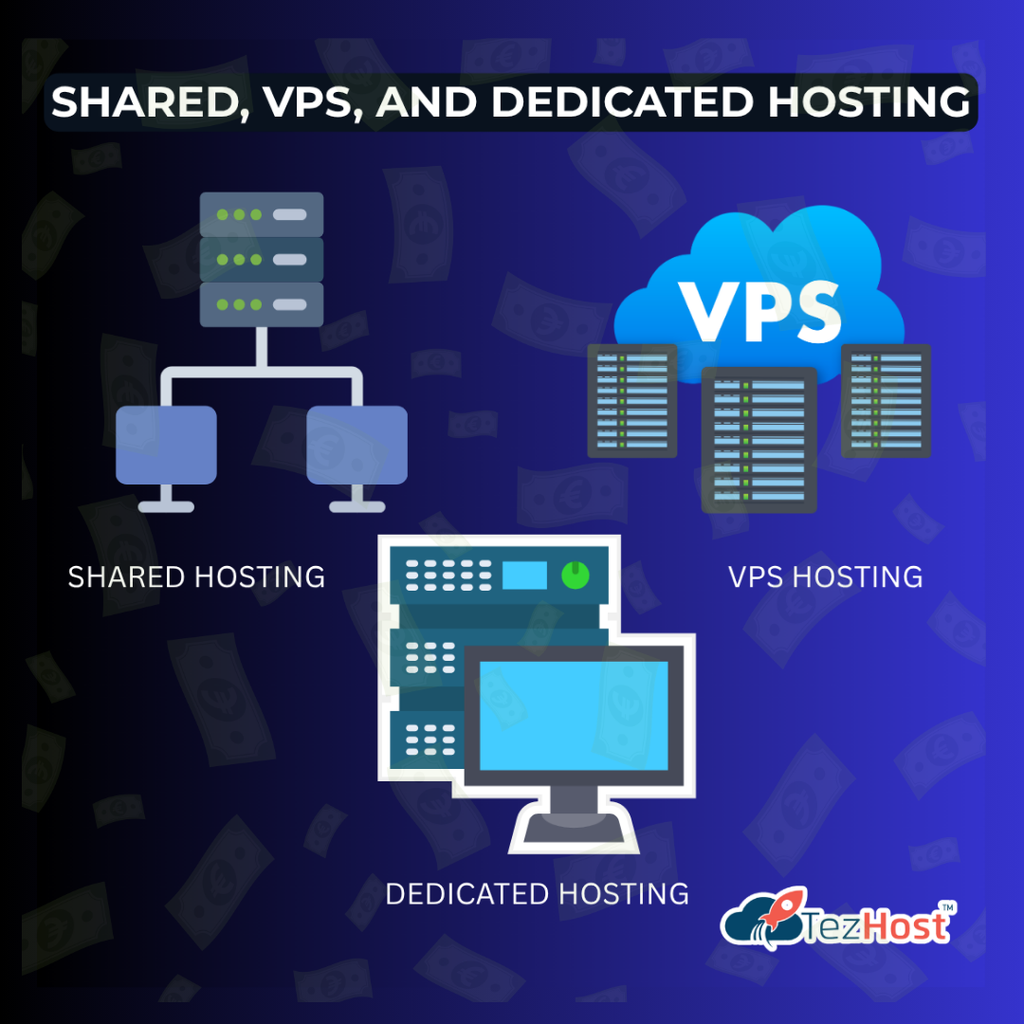
The main difference in shared vs VPS vs dedicated hosting is how server resources are allocated and how much control customers have over their hosting environment.
Here’s a quick comparison:
| Feature | Shared Hosting | VPS Hosting | Dedicated Hosting |
|---|---|---|---|
| Server Environment | Shared with other customers | Virtualized server with allocated resources | Entire physical server |
| Performance | Suitable for lighter workloads | More predictable resource allocation | High performance potential |
| CPU and RAM | Shared resources | Allocated virtual resources | Physical server resources |
| Server Control | Limited | Root/admin access often available | Extensive administrative control |
| Scalability | Plan upgrades | Often easily upgraded | Hardware or server upgrades |
| Technical Knowledge | Minimal | Moderate to advanced | Advanced |
| Security Isolation | Account-level isolation | Virtual machine isolation | Physical server isolation |
| Management | Usually provider-managed | Managed or unmanaged | Managed or unmanaged |
| Typical Cost | Lowest | Moderate | Highest |
| Best For | Blogs and small websites | Growing websites and applications | Demanding business workloads |
Which hosting type should you choose?
- Choose shared hosting if you’re launching a small website, blog, or portfolio.
- Choose VPS hosting if you need greater control, allocated resources, or custom software.
- Choose dedicated hosting if you require an entire physical server for resource-intensive workloads.
For businesses exploring virtualized infrastructure, TezHost Cloud Servers are another option worth considering.
If you’re unsure which hosting type fits your requirements, talk to a TezHost sales agent before purchasing.
2. What Is Shared Hosting, and Who Should Use It?
In a shared vs VPS vs dedicated hosting comparison, shared hosting is usually the most affordable and beginner-friendly option.
Shared hosting allows multiple websites to operate on the same physical server while sharing underlying resources.

The hosting provider typically handles server-level maintenance, making it easier for customers to focus on their websites.
Advantages of Shared Hosting
Affordable pricing
Shared hosting generally costs less because server expenses are distributed across multiple customers.
Easy website management
Many plans include a control panel that simplifies domain management, email accounts, databases, and website files.
Minimal technical knowledge required
Customers usually don’t need experience managing operating systems or configuring server infrastructure.
Suitable for smaller projects
Blogs, portfolios, informational websites, and small business websites can often operate effectively on shared hosting.
Limitations of Shared Hosting
Shared hosting also has some restrictions.
- Server resources are shared with other customers.
- Advanced server configurations may not be available.
- Resource limits can restrict demanding applications.
- Websites with growing workloads may eventually require an upgrade.
Who Should Choose Shared Hosting?
Shared hosting is ideal for:
- Personal blogs.
- Portfolio websites.
- Small business websites.
- Landing pages.
- New WordPress websites.
- Websites with modest resource requirements.
Our recommendation: If you’re launching your first website and don’t require advanced server access, shared hosting is often the most practical starting point.
Explore TezHost cPanel Web Hosting for beginner-friendly hosting options.
You can also register a domain with TezHost to establish your online presence.
3. What Is VPS Hosting, and When Should You Upgrade?
In the shared vs VPS vs dedicated hosting debate, VPS hosting offers a middle ground between affordability and greater infrastructure control.
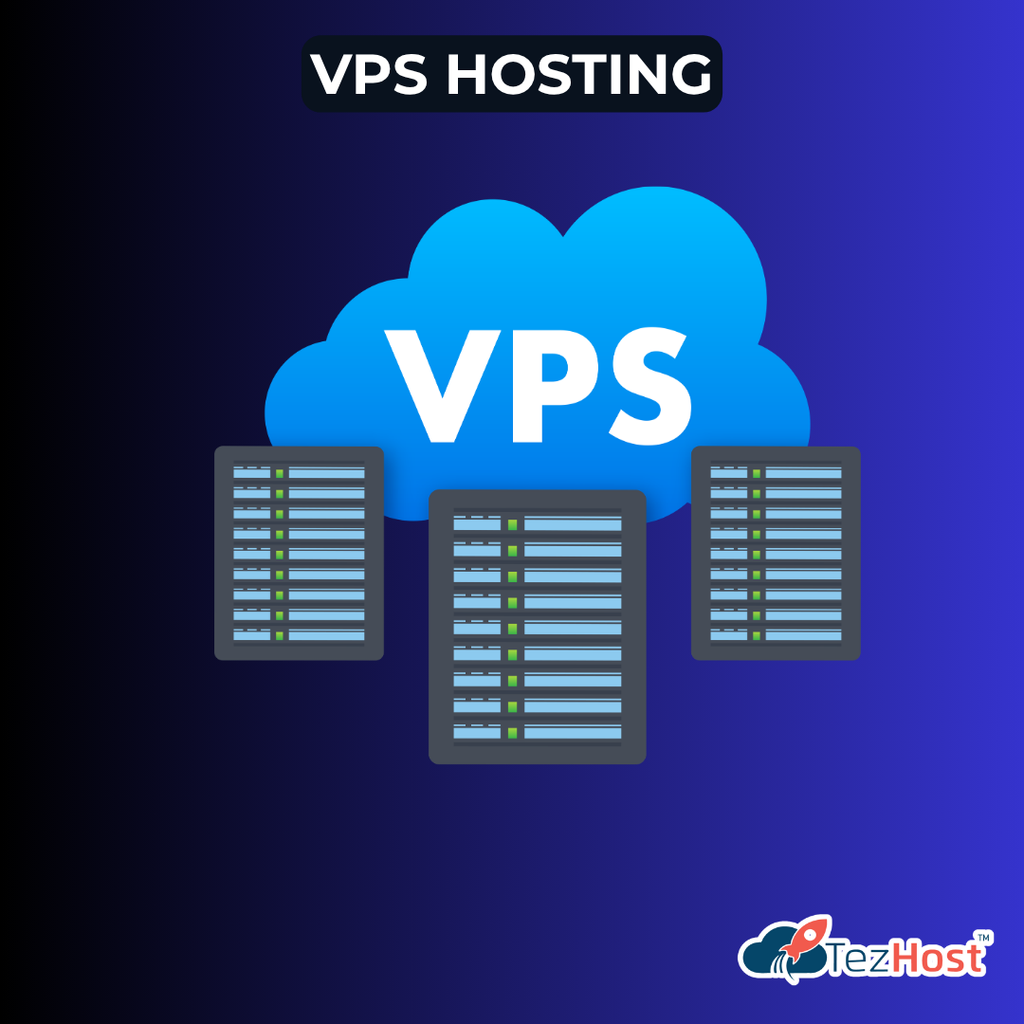
VPS stands for Virtual Private Server.
A VPS uses virtualization technology to divide a physical server into separate virtual environments.
Each VPS receives allocated computing resources and typically operates independently of other virtual servers on the same hardware.
Advantages of VPS Hosting
Allocated resources
VPS hosting generally provides defined CPU, RAM, and storage allocations.
Greater server control
Many VPS plans allow root or administrator access, making it possible to install custom software and configure the operating system.
Better flexibility
Businesses can select configurations based on application requirements.
Suitable for growing applications
VPS hosting can support websites, databases, development environments, and custom business applications.
More isolation
Virtualization separates customers’ operating environments, although the underlying physical infrastructure remains shared.
Limitations of VPS Hosting
VPS hosting may require more technical knowledge than shared hosting.
Unmanaged VPS customers are often responsible for operating system updates, software configuration, security, and troubleshooting.
Some managed VPS plans can reduce this administrative burden.
Learn more in our guide to Managed vs. Unmanaged VPS Hosting.
Who Should Choose VPS Hosting?
VPS hosting is suitable for:
- Growing business websites.
- Medium-sized e-commerce stores.
- Custom web applications.
- SaaS projects.
- Development environments.
- Automation platforms.
- Businesses requiring root access.
For developers, our guide to VPS for Developers explains how virtual servers can support different technical workflows.
Businesses operating automation platforms may also benefit from understanding the Advantages of Managed VPS Hosting for AI and Automation.
If you’re building a SaaS application, explore the Benefits of Using a VPS for SaaS Automation.
Can You Use a VPS for More Than Website Hosting?
Yes. A VPS can also support development environments, private applications, monitoring tools, and certain networking services.
For example, businesses interested in secure remote connectivity can learn How to Set Up a VPN with WireGuard on a VPS.
Our recommendation: Choose VPS hosting when shared hosting limits your application’s performance, customization, or resource requirements.
Explore TezHost VPS Hosting or speak with our sales team to discuss the right configuration.
4. What Is Dedicated Hosting, and Who Actually Needs It?
In a shared vs VPS vs dedicated hosting comparison, dedicated hosting offers the greatest physical resource exclusivity.
With dedicated hosting, a customer rents an entire physical server rather than sharing it with unrelated hosting customers.

This provides extensive control over the server’s operating environment, hardware resources, and software configuration.
Advantages of Dedicated Hosting
Exclusive physical resources
The server’s CPU, RAM, and storage resources are allocated to one customer.
Greater configuration flexibility
Businesses can configure operating systems, applications, and security controls according to their requirements.
Suitable for demanding workloads
Dedicated servers can support applications requiring substantial or consistent computing resources.
Infrastructure isolation
A dedicated server eliminates physical hardware sharing with unrelated hosting tenants.
Limitations of Dedicated Hosting
Dedicated hosting also has trade-offs.
- Higher infrastructure costs.
- Greater technical management requirements.
- Hardware upgrades may require additional planning.
- Scaling may be less immediate than resizing certain virtualized environments.
Who Should Choose Dedicated Hosting?
Dedicated hosting may be suitable for:
- Large e-commerce platforms.
- Enterprise applications.
- High-traffic websites.
- Resource-intensive databases.
- Complex business software.
- Workloads requiring dedicated physical infrastructure.
However, high traffic alone doesn’t automatically mean dedicated hosting is necessary.
A properly configured VPS or cloud infrastructure may handle substantial traffic depending on the application and resource requirements.
Our recommendation: Choose dedicated hosting when your workload genuinely requires exclusive physical resources, specialized configurations, or substantial computing capacity.
Explore TezHost Dedicated Servers for available hosting solutions.
5. How Much Does Shared vs VPS vs Dedicated Hosting Cost?
The cost of shared vs VPS vs dedicated hosting depends on server resources, management services, software licenses, bandwidth, and the hosting provider.
Here are illustrative monthly pricing ranges:
| Hosting Type | Estimated Monthly Cost | Suitable For |
|---|---|---|
| Shared Hosting | $2–$15 | Blogs and small websites |
| VPS Hosting | $5–$80+ | Growing websites and applications |
| Dedicated Hosting | $50–$300+ | Resource-intensive workloads |
| Cloud Hosting | $5–$150+ | Flexible virtualized infrastructure |
These are general market estimates, not verified TezHost plan prices. Actual pricing varies by provider, hardware specifications, location, and included services.
Is VPS Hosting Worth the Extra Cost?
VPS hosting is worth considering when your website needs allocated resources, greater configuration control, or software that cannot run in a shared hosting environment.
However, upgrading to VPS hosting won’t automatically solve every performance problem.
Poorly optimized applications, inefficient databases, and oversized images can cause performance issues regardless of hosting type.
Before upgrading, evaluate your actual resource usage.
For more guidance, read 5 Reasons to Choose VPS vs Shared Hosting.
If budget is your primary concern, explore VPS Hosting on a Budget.
What About Cloud Hosting Costs?
Cloud hosting is another important consideration.
Some cloud platforms offer fixed monthly configurations, while others charge according to resource usage.
Understanding the full cost structure is essential.
Our guides explain:
- Cloud Server Cost Per Month
- Cloud Cost Comparison: Cloud vs. On-Premises
- Cheap Cloud Server Hosting: Affordable Options
Want to avoid paying for unnecessary resources?
Connect with a TezHost sales agent to explore hosting plans based on your requirements and budget.
6. Seven Important Factors to Consider Before Choosing Hosting
When evaluating shared vs VPS vs dedicated hosting, don’t make your decision based on price alone.
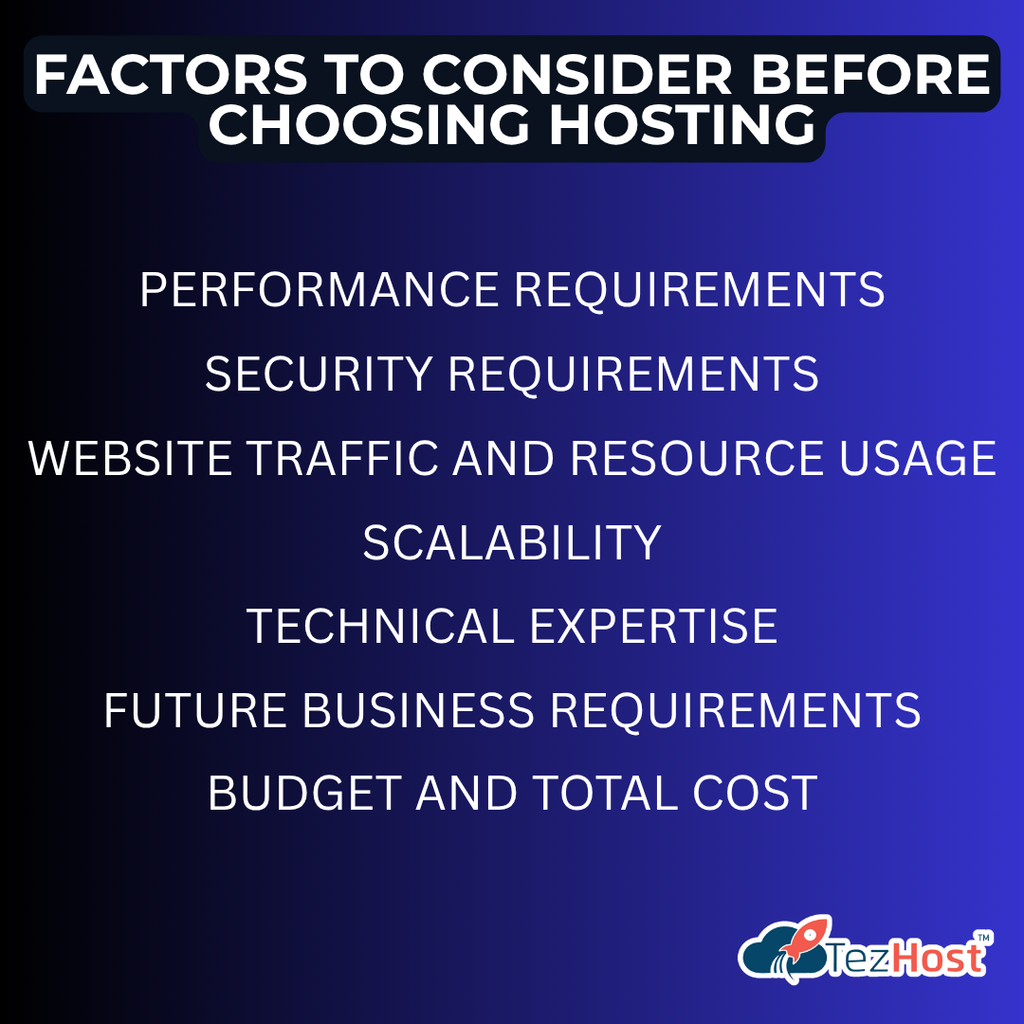
Consider these seven factors.
1. Website Traffic and Resource Usage
Traffic is important, but resource consumption matters more.
A well-optimized website receiving thousands of visitors may use fewer resources than a poorly optimized application receiving much less traffic.
Monitor CPU, RAM, database activity, and concurrent requests.
2. Performance Requirements
Consider how quickly your application needs to respond and whether it performs resource-intensive tasks.
Shared hosting may be sufficient for a basic website.
VPS or dedicated hosting may be better for applications requiring more consistent access to computing resources.
3. Security Requirements
All hosting types require proper security practices.
Shared hosting depends heavily on the provider’s account isolation and security controls.
VPS hosting provides virtual environment isolation, while dedicated hosting provides exclusive physical server access.
However, dedicated infrastructure isn’t automatically secure.
Updates, firewalls, access controls, backups, and monitoring remain essential.
Explore our Data Protection and Cost-Saving Tips for additional guidance.
4. Scalability
Your hosting requirements may change as your business grows.
Shared hosting customers can often upgrade to higher plans.
VPS hosting may offer more flexible resource upgrades.
Dedicated hosting may require hardware changes or migration to larger infrastructure.
5. Technical Expertise
Shared hosting is generally easier to manage.
Unmanaged VPS and dedicated servers require more system administration knowledge.
Businesses without technical teams should evaluate managed hosting options.
6. Budget and Total Cost
Consider more than the advertised monthly price.
Your total hosting expenses may include:
- Software licensing.
- Backup services.
- Security tools.
- Server administration.
- Additional storage.
- Bandwidth overages.
- Migration services.
The cheapest plan isn’t always the most economical option.
7. Future Business Requirements
Think about what your website may need over the next 12–24 months.
Will you introduce e-commerce functionality?
Are you planning to launch custom applications?
Will you need more control over server configurations?
Choose hosting that meets your current needs while offering a realistic upgrade path.
7. Is Cloud Hosting Better Than VPS or Dedicated Hosting?
In the shared vs VPS vs dedicated hosting discussion, cloud hosting is an additional infrastructure model worth evaluating.
Cloud hosting generally uses virtualized infrastructure and may offer flexible provisioning, resource allocation, and availability features.
However, cloud hosting and VPS hosting are not necessarily separate categories.
Many cloud servers are virtual private servers operating on cloud infrastructure.
The differences depend on the provider’s architecture, management features, scalability, and billing model.
When Should You Consider Cloud Hosting?
Cloud hosting may be suitable when you need:
- Flexible resource allocation.
- Rapid server provisioning.
- Infrastructure that supports changing workloads.
- Custom application hosting.
- Development and testing environments.
- Specialized computing configurations.
For a detailed comparison, read Cloud Hosting vs. VPS: 5 Tips for Your Choice.
You can also explore 6 Top Cloud Providers to Find Your Cloud Solution to understand different cloud infrastructure options.
What About AI Applications?
AI workloads may require specific CPU, RAM, storage, or GPU capabilities depending on the application.
Not every AI project needs expensive infrastructure.
For businesses exploring AI applications, our guide to AI-Optimized Cloud Servers explains relevant hosting considerations.
Our recommendation: Compare the architecture, available resources, management features, and total costs rather than assuming one hosting label is automatically better.
How Is TezHost Revolutionizing Web Hosting with Its Approach?
At TezHost, we believe the shared vs VPS vs dedicated hosting decision should be based on what a business actually needs—not simply which plan costs the most.
Our approach focuses on making hosting accessible, flexible, and practical for customers with different technical requirements.
1. Hosting Solutions for Different Business Stages
A startup launching its first website has different infrastructure needs from an established company running complex applications.
TezHost provides multiple hosting options so customers can choose solutions that fit their workloads.
These include:
- cPanel Web Hosting for websites requiring straightforward management.
- VPS Hosting for applications requiring allocated virtual resources.
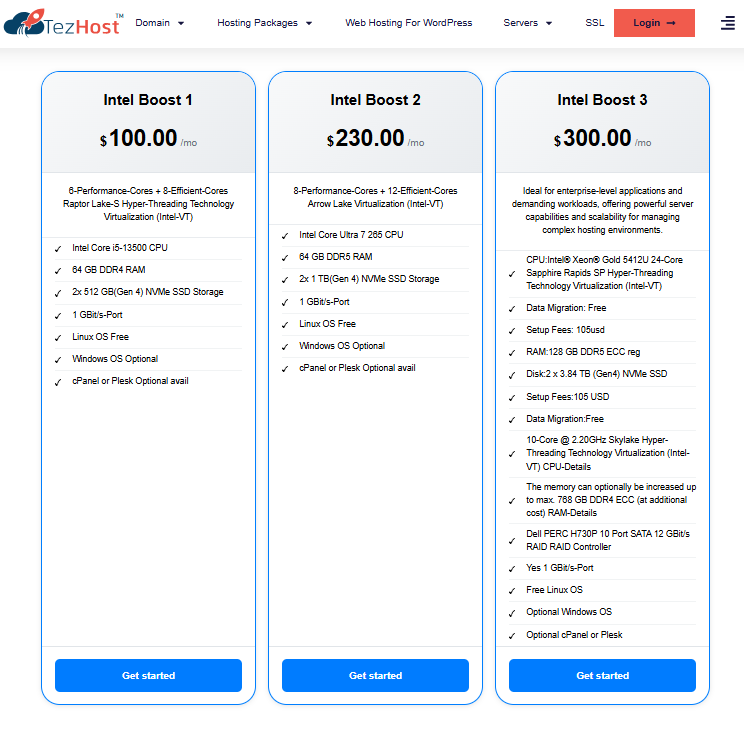
- Dedicated Servers for demanding workloads.
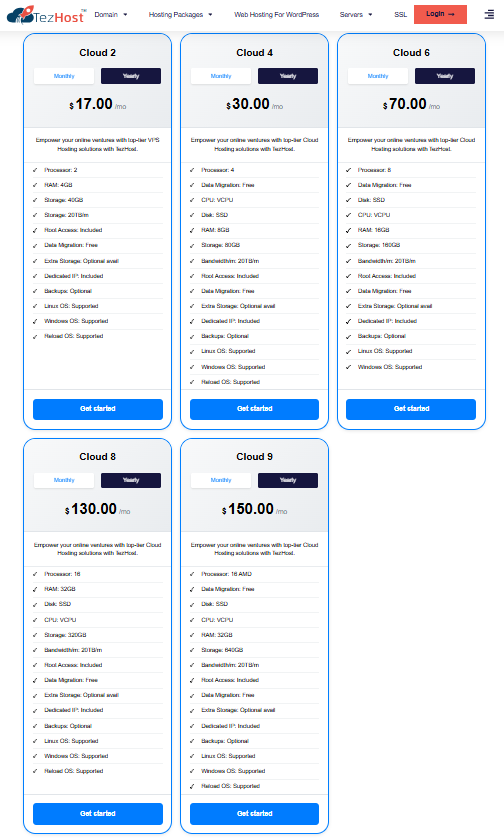
- Cloud Servers for businesses exploring flexible virtualized infrastructure.
- Domain Registration for establishing an online identity.
2. A Focus on Practical Infrastructure Choices
Not every customer needs a dedicated server.
Not every business should remain on shared hosting indefinitely.
We encourage customers to consider application requirements, resource usage, budgets, and expected growth before selecting a plan.
3. Supporting Developers and Modern Applications
Hosting requirements are evolving.
Developers, SaaS businesses, and automation teams often need greater control over their environments.
TezHost offers VPS and cloud infrastructure options that can support a range of technical projects.
4. Helping Businesses Plan for Growth
As websites and applications evolve, hosting requirements can change.
Having access to different infrastructure options makes it easier to evaluate an appropriate next step.
5. Customer-Focused Guidance
Choosing between hosting types can be confusing, especially for first-time website owners.
Our sales team can help customers understand available configurations and select plans according to their requirements.
Why pay for a dedicated server when a VPS might be sufficient? And why struggle with shared hosting limitations when your application needs more control?
Talk to a TezHost sales agent today and explore a hosting solution that fits your needs.
Visit TezHost to learn more about our hosting services.
Which Hosting Type Should You Choose? Real-World Examples
The best answer to shared vs VPS vs dedicated hosting depends on what you’re building.
Here are some common scenarios.
| Your Project | Recommended Starting Point | Why? |
|---|---|---|
| Personal Blog | Shared Hosting | Affordable and easy to manage |
| Portfolio Website | Shared Hosting | Usually modest resource requirements |
| Small Business Website | Shared Hosting | Simple management and lower costs |
| Growing E-commerce Store | VPS Hosting | Greater resource allocation and control |
| Custom Web Application | VPS Hosting | More configuration flexibility |
| SaaS Startup | VPS or Cloud Hosting | Supports custom application environments |
| Development Environment | VPS Hosting | Root access and software customization |
| Large Enterprise Application | Dedicated or Cloud Hosting | May require substantial computing resources |
| Resource-Intensive Database | Dedicated Hosting | Exclusive physical resources may be beneficial |
| AI or Automation Platform | VPS, Cloud, or Dedicated | Depends on processing and hardware requirements |
These are starting recommendations rather than universal rules. The correct configuration depends on workload testing, software requirements, and expected growth.
Frequently Asked Questions About Shared, VPS, and Dedicated Hosting
1. Which is better: shared hosting, VPS, or dedicated hosting?
The best option depends on your requirements.
Shared hosting is generally suitable for smaller websites, VPS hosting offers more control and allocated resources, and dedicated hosting provides exclusive physical infrastructure.
2. Is VPS hosting faster than shared hosting?
VPS hosting can provide more predictable performance because it offers allocated resources.
However, actual website speed depends on hardware, server configuration, application optimization, caching, and network performance.
3. When should I upgrade from shared hosting to VPS?
Consider upgrading when your website consistently approaches resource limits, requires custom server software, or needs greater administrative control.
Occasional traffic spikes alone don’t always justify an upgrade.
4. Is dedicated hosting more secure than VPS hosting?
Dedicated hosting provides physical hardware isolation, while VPS hosting uses virtualization to separate environments.
Both can be secure when properly configured and maintained.
Security depends on software updates, access controls, monitoring, and other protective measures.
5. Can I host multiple websites on a VPS?
Yes. A VPS can host multiple websites if its resources and software configuration support them.
The number of websites depends on their individual resource requirements.
6. Is shared hosting good for WordPress?
Yes. Shared hosting can be suitable for many WordPress websites, particularly blogs, portfolios, and small business websites.
Larger or resource-intensive WordPress installations may benefit from VPS or cloud hosting.
7. Do I need technical knowledge to manage a VPS?
Unmanaged VPS hosting typically requires system administration knowledge.
Managed VPS hosting can reduce some administrative responsibilities, depending on the provider’s support scope.
8. Is dedicated hosting worth the money?
Dedicated hosting can be worthwhile for businesses requiring exclusive physical resources, specialized server configurations, or substantial computing capacity.
For smaller workloads, VPS or shared hosting may be more economical.
9. Can I upgrade from shared hosting to VPS later?
Yes. Many providers offer migration options between hosting environments.
However, the migration process depends on your website’s software, databases, email configuration, and other technical requirements.
10. Which hosting should I choose for my small business?
For a basic small business website, shared hosting is often a suitable starting point.
For custom applications or growing resource requirements, VPS hosting may be more appropriate.
For demanding workloads requiring physical resource exclusivity, consider dedicated hosting.
Need help deciding? Speak with a TezHost sales agent.
Conclusion: Choose the Hosting You Need, Not the Most Expensive Plan
The shared vs VPS vs dedicated hosting decision doesn’t have to be complicated.
The right hosting solution depends on your website’s size, resource requirements, technical complexity, security needs, and budget.
Shared hosting is a practical starting point for beginners and small websites.
VPS hosting provides greater control and allocated resources for growing applications.
Dedicated hosting offers exclusive physical infrastructure for demanding workloads.
And cloud hosting provides additional infrastructure options for businesses requiring flexible virtualized environments.
At TezHost, our goal is to help businesses find hosting solutions that support their current requirements while allowing room for future growth.
Still wondering which hosting type is right for you?
Don’t spend more than necessary or settle for infrastructure that limits your application.
Explore TezHost Hosting Solutions and discover options designed for different business requirements.
Need personalized guidance? Talk directly to a TezHost sales agent.
Or register with TezHost today to get started.
The best hosting plan isn’t the biggest or the cheapest. It’s the one that fits your business.