Cloud computing job prospects are attracting attention from IT professionals, developers, and students who want to know one thing: Is a cloud career actually worth the salary?
Imagine building a career where your job involves managing cloud infrastructure, automating deployments, securing business applications, and helping companies scale their technology.
Sounds exciting, right?
But here’s the question nobody should ignore:
Does learning cloud computing really lead to better career opportunities and higher earnings?
The short answer is yes, cloud computing can offer strong earning potential, but your salary depends on your technical skills, experience, specialization, and location.
Simply earning a cloud certification won’t automatically land you a high-paying job.
Employers need professionals who can design, deploy, troubleshoot, secure, and optimize real infrastructure.
Whether you’re a student exploring IT careers, a system administrator considering a transition, or a developer interested in DevOps, this guide explains the salary potential and technical skills behind today’s cloud computing job prospects.
Want to gain practical experience with cloud infrastructure? Register with TezHost to explore hosting solutions, or talk to our sales team about suitable cloud server configurations for your projects.
Let’s explore whether cloud engineering deserves a place in your career plans.
1. Are Cloud Computing Job Prospects Good in 2026?
Yes. Cloud computing remains a promising career field because businesses need professionals to build, manage, secure, and optimize increasingly complex digital infrastructure.
Companies rely on cloud environments for websites, business applications, databases, development platforms, analytics, and disaster recovery.
However, adopting cloud infrastructure creates technical challenges.
Who configures the servers?
Who protects sensitive information?
Who automates deployments?
And who ensures applications remain available when traffic increases?
That’s where cloud professionals come in.
Why Businesses Need Cloud Engineers
Organizations require technical expertise in areas such as:
- Cloud infrastructure deployment.
- Virtual machine administration.
- Network architecture.
- Identity and access management.
- Container orchestration.
- Infrastructure automation.
- Monitoring and troubleshooting.
- Disaster recovery.
- Cloud cost optimization.
The opportunities extend beyond traditional hosting companies.
Cloud skills are relevant to software development firms, financial institutions, ecommerce businesses, technology startups, and enterprise IT teams.
What Do Employment Projections Suggest?
According to the U.S. Bureau of Labor Statistics, employment for computer network architects is projected to grow 8% from 2025 to 2035.
The agency specifically identifies cloud computing expansion as one factor contributing to demand for these professionals.
Although network architecture isn’t identical to cloud engineering, the projection provides useful context for infrastructure-related career opportunities.
For a broader understanding of where the industry is heading, explore our article on 6 Future Trends and Predictions.
The important takeaway: Cloud computing job prospects are promising, but the strongest opportunities require practical expertise rather than theoretical knowledge alone.
2. How Much Can You Earn in a Cloud Computing Career?
Cloud career salaries vary significantly by role, experience, country, employer, and technical specialization. Advanced infrastructure, architecture, automation, and security skills can improve earning potential.
Let’s address the biggest reason many professionals consider this career path.
Money.
A cloud career can be financially attractive, but salary comparisons require context.
A junior cloud support technician in Pakistan won’t necessarily earn the same amount as a senior cloud architect working for a U.S. enterprise.
Likewise, an engineer responsible for production infrastructure may command a different salary from someone handling basic hosting support.

Cloud-Related Salary Benchmarks
The following figures are official U.S. occupational benchmarks from May 2025.
They represent broader technology occupations—not guaranteed salaries for specific cloud job titles.
| Related Occupation | U.S. Median Annual Salary |
|---|---|
| Computer Network Support Specialist | $76,220 |
| Network and Computer Systems Administrator | $99,130 |
| Computer Network Architect | $134,050 |
| Software Developer | $135,980 |
| Database Architect | $139,500 |
Source: U.S. Bureau of Labor Statistics, May 2025 occupational wage data.
These figures help illustrate the earning potential associated with technical skills used in cloud environments.
However, they should not be interpreted as cloud engineer salary averages or entry-level offers.
What About Cloud Career Salary in Pakistan?
In Pakistan, compensation depends on factors such as:
- Junior versus senior experience.
- Local versus international employers.
- Infrastructure administration versus architecture.
- AWS, Azure, or other platform expertise.
- Linux, networking, and security proficiency.
- DevOps and automation capabilities.
- Remote employment arrangements.
Rather than relying on a single salary estimate, compare current job advertisements for your target role, experience level, and location.
A high cloud career salary is possible, but it is usually earned through experience, responsibility, and demonstrable technical ability.
3. Which Cloud Computing Jobs Offer the Best Career Opportunities?
Cloud engineering, DevOps, cloud security, site reliability engineering, and cloud architecture are important career paths for professionals with strong infrastructure and automation skills.
Not every cloud computing job involves the same responsibilities.
Some professionals manage virtual servers.
Others build automated deployment pipelines, design cloud networks, or secure large-scale infrastructure.
Understanding these differences helps you choose a specialization.

Popular Cloud Career Paths
| Career Role | Main Responsibilities | Important Technical Skills |
|---|---|---|
| Cloud Support Engineer | Troubleshoot infrastructure and customer issues | Linux, networking, DNS, virtualization |
| Cloud Engineer | Deploy and manage cloud infrastructure | Compute, storage, IAM, networking |
| DevOps Engineer | Automate infrastructure and deployments | Git, CI/CD, Terraform, Docker |
| Cloud Security Engineer | Protect cloud systems and data | IAM, encryption, logging, security policies |
| Site Reliability Engineer | Improve reliability and availability | Monitoring, automation, incident response |
| Cloud Solutions Architect | Design infrastructure for business requirements | Architecture, networking, security, scalability |
| Cloud FinOps Specialist | Optimize cloud spending | Billing, resource utilization, cost analysis |
Which Role Should Beginners Choose?
If you’re new to cloud computing, a support or junior infrastructure role can provide valuable experience.
If you’re already a software developer, DevOps or platform engineering may be a natural transition.
If you enjoy networking, infrastructure design, and technical planning, cloud architecture may be worth pursuing over time.
The best cloud career isn’t necessarily the one with the highest advertised salary. It’s the one that matches your skills and interests while offering room to grow.
4. What Technical Skills Can Increase Your Cloud Engineering Salary?
Linux administration, networking, scripting, infrastructure as code, containers, security, and troubleshooting are among the most valuable skills for cloud engineering roles.
This is where the difference between learning cloud concepts and becoming a cloud engineer becomes clear.
Knowing how to launch a virtual machine is useful.
Knowing how to deploy, secure, monitor, troubleshoot, and automate that machine is much more valuable.
Essential Skills for Cloud Engineers
1. Linux Administration
Learn how to manage users, permissions, processes, services, logs, and package managers.
Understand SSH access, systemd, disk usage, and basic server hardening.
2. Networking Fundamentals
Cloud engineers should understand:
- TCP/IP.
- DNS.
- HTTP and HTTPS.
- Subnets and routing.
- Firewalls.
- Load balancing.
- VPN connectivity.
3. Scripting and Automation
Python and Bash can help automate repetitive administration tasks.
Automation becomes particularly important when managing multiple servers or environments.
4. Infrastructure as Code
Tools such as Terraform help engineers define and manage infrastructure through configuration files.
This makes deployments more repeatable and easier to review.
5. Containers and Orchestration
Docker packages applications and dependencies into containers.
Kubernetes helps manage containerized workloads at scale, although not every cloud role requires it.
6. Cloud Security
Understand identity and access management, least-privilege permissions, encryption, secrets management, and vulnerability management.
7. Monitoring and Troubleshooting
Learn to investigate resource utilization, application errors, network failures, and infrastructure alerts.
A Practical Learning Project
Instead of collecting certificates without experience, build a real project.
For example:
- Deploy a Linux cloud server.
- Configure SSH authentication and firewall rules.
- Install Nginx.
- Deploy a simple application.
- Configure HTTPS.
- Set up monitoring.
- Automate part of the deployment.
- Document your architecture and security decisions.
You can explore TezHost Cloud Servers to find infrastructure options for practical projects.
Cloud computing job prospects improve when you can demonstrate what you’ve built—not just what you’ve studied.
5. Is Cloud Engineering Worth It Without a Computer Science Degree?
Yes, cloud engineering can be a viable career without a computer science degree, although some employers and senior positions may require formal qualifications.
One of the attractive aspects of cloud computing is that practical skills can be demonstrated through projects.
However, entering the industry still requires effort.
You’ll need to understand infrastructure concepts, learn technical tools, and prove that you can solve real problems.
How Can Beginners Start?
A practical learning roadmap could look like this:
Stage 1: Learn IT Fundamentals
Start with operating systems, networking, DNS, and basic security.
Stage 2: Practice Linux
Set up a server, manage permissions, install software, and troubleshoot common issues.
Stage 3: Understand Cloud Infrastructure
Learn how virtual machines, storage, networking, and resource allocation work.
Stage 4: Learn Automation
Practice Bash, Python, Git, and infrastructure automation.
Stage 5: Build Real Projects
Deploy websites, configure reverse proxies, manage backups, and implement monitoring.
Stage 6: Consider Certifications
Certifications from established cloud platforms can help validate knowledge, but they should complement hands-on experience.
Stage 7: Build a Portfolio
Document projects on GitHub, explain your architecture, and show how you solved technical problems.
Is Cloud Engineering Worth It for Career Changers?
For professionals already working in IT support, networking, system administration, or software development, cloud engineering can be a logical next step.
Your existing knowledge may transfer directly into cloud environments.
For complete beginners, the learning curve can be steeper.
Cloud engineering is worth considering if you enjoy technical problem-solving, continuous learning, and working with infrastructure.
6. Will AI and Automation Replace Cloud Computing Jobs?
AI and automation will change many cloud engineering tasks, but businesses will still need professionals who understand infrastructure design, security, reliability, and operational risks.
Automation is already part of cloud engineering.
Engineers use scripts, infrastructure-as-code tools, deployment pipelines, and monitoring systems to reduce repetitive work.
AI-assisted tools can also help with troubleshooting, configuration generation, and documentation.
Does that mean cloud engineering is becoming obsolete?
Not necessarily.

What Is Likely to Change?
Routine activities such as basic provisioning, log analysis, and configuration drafting may become increasingly automated.
But complex responsibilities still require engineering judgment.
These include:
- Designing secure cloud architectures.
- Evaluating infrastructure trade-offs.
- Investigating production incidents.
- Planning disaster recovery.
- Managing access and compliance requirements.
- Optimizing reliability and performance.
- Reviewing automation for security and correctness.
What Should Cloud Engineers Learn Next?
Professionals should become comfortable using automation rather than competing against it.
For example, a cloud engineer who understands Terraform, CI/CD, Kubernetes, and security controls may be better prepared to manage complex infrastructure than someone who only performs manual server setup.
You can also explore our article on Why Microsoft Azure Is the Future of Cloud Computing for another perspective on cloud platform development.
The future of cloud careers is likely to reward engineers who can combine automation with strong technical judgment.
7. Is a Cloud Career Worth the Investment of Time and Money?
A cloud career can be worth the investment if you’re prepared to develop practical skills, continue learning, and pursue roles that match your technical strengths.
Let’s consider the actual investment.
Learning cloud computing takes time.
You may spend months studying Linux, networking, security, scripting, and cloud platforms before becoming competitive for entry-level positions.
Certifications and practical labs may also involve costs.

What Should You Consider Before Starting?
| Factor | What to Evaluate |
|---|---|
| Learning time | How many hours can you study consistently? |
| Existing knowledge | Do you already understand Linux or networking? |
| Training costs | Can you learn through affordable courses and documentation? |
| Certification costs | Which certifications are relevant to your target jobs? |
| Practice infrastructure | Can you afford a small test environment? |
| Job market | What skills do local and remote employers request? |
| Career interests | Do you enjoy troubleshooting and infrastructure work? |
Can You Learn Cloud Computing on a Budget?
Yes.
You don’t need an expensive enterprise environment to practice foundational concepts.
Start with small projects, use local virtualization where suitable, and select cloud resources carefully.
Monitor usage and costs, particularly when experimenting with billable infrastructure.
If you’re exploring affordable ways to launch websites and gain hosting experience, read our guide to Cheap Web Hosting in Pakistan.
It’s also important to understand the limitations of different infrastructure models.
Our article on Advantages and Disadvantages provides additional hosting-related considerations.
The best investment isn’t necessarily an expensive certification. It’s developing skills that help you solve problems employers actually face.
How Is TezHost Revolutionizing Practical Cloud Learning and Infrastructure Access?
TezHost helps aspiring cloud professionals and businesses explore cloud infrastructure through hosting solutions that can support practical experimentation, application deployment, and real-world projects.
Cloud computing isn’t something you can master through theory alone.
You need to understand what happens when a server runs out of memory, a firewall blocks traffic, or an application fails to start.
That’s why practical infrastructure experience matters.
At TezHost, our hosting solutions can provide an environment for users to explore server administration and deployment workflows.
1. Cloud Servers for Practical Experience
With TezHost Cloud Servers, learners and developers can explore hosting configurations for applications and infrastructure projects.
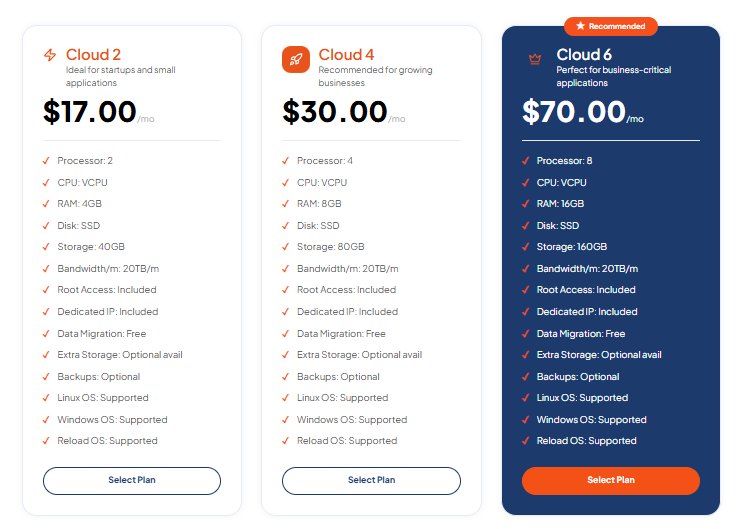
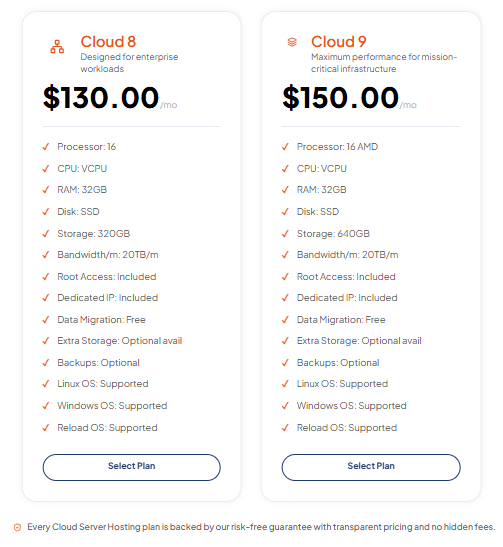
Depending on the selected plan and access permissions, practical activities may include:
- Configuring a Linux environment.
- Deploying web applications.
- Managing server resources.
- Setting up web servers.
- Practicing security configurations.
- Monitoring application performance.
2. Learning Through Real Infrastructure
Cloud engineering involves more than clicking buttons on a dashboard.
Working with actual server environments helps learners understand resource allocation, networking, security, and troubleshooting.
These are the same foundational concepts used across many cloud platforms.
3. Hosting Solutions for Different Budgets
Not every beginner needs a large cloud server.
At TezHost, users can explore different hosting services and select options based on their technical requirements and available budget.
4. Guidance When Choosing Infrastructure
Not sure what resources your learning project requires?
Our sales team can help you explore available plans and discuss your hosting needs.
Talk to a TezHost Sales Agent.
5. Supporting the Next Generation of Technical Professionals
We believe practical infrastructure experience is valuable for students, developers, and IT professionals looking to strengthen their technical capabilities.
While using a hosting server doesn’t replace formal cloud training or experience with major cloud platforms, it can provide useful practice with foundational administration tasks.
Our goal is to make hosting infrastructure more approachable so users can build, test, and develop practical technical skills.
Ready to work on your next cloud project?
Register with TezHost and explore the available hosting options.
Frequently Asked Questions
Is Cloud Computing a High-Paying Career?
Cloud computing can be a high-paying career, particularly in senior engineering, architecture, security, and automation roles. Earnings depend on experience, location, employer, and technical responsibilities.
Is Cloud Engineering Worth It in 2026?
Yes, cloud engineering remains worth considering for professionals interested in infrastructure, automation, and security. However, success requires practical skills and continuous learning.
What Is the Average Cloud Engineer Salary?
There is no single reliable worldwide average. Salaries differ substantially by country, experience, specialization, and employer. Use current local salary data and job listings when comparing opportunities.
Can Beginners Get Cloud Computing Jobs?
Yes, beginners can pursue entry-level cloud support and infrastructure roles. Foundational networking, Linux, troubleshooting, and scripting skills can improve their prospects.
Do Cloud Engineers Need Coding Skills?
Cloud engineers benefit from scripting and automation skills. Python, Bash, and infrastructure-as-code tools are particularly useful, although coding requirements vary by role.
Which Is Better: AWS, Azure, or Google Cloud?
The best platform depends on your target employers and career goals. Start with one platform, develop transferable infrastructure skills, and expand your knowledge as needed.
Is Cloud Computing Better Than Traditional IT?
Neither is universally better. Cloud computing builds on traditional IT fundamentals such as networking, operating systems, security, and infrastructure management.
Can I Practice Cloud Engineering With TezHost?
Yes, suitable TezHost server plans can support practical infrastructure and application projects. Check the selected plan’s capabilities, access permissions, and technical requirements before purchasing.
Conclusion: Is a Cloud Career Really Worth It?
Cloud computing offers opportunities for professionals who enjoy technology, problem-solving, and infrastructure engineering.
But the real value of a cloud career isn’t simply the possibility of earning a higher salary.
It’s the opportunity to develop skills that businesses need to operate modern applications and digital services.
Cloud computing job prospects remain promising for professionals who can demonstrate real technical ability.
If you’re wondering is cloud engineering worth it, consider these essentials:
- Understand the available career paths.
- Research realistic salary expectations.
- Build strong Linux and networking fundamentals.
- Learn automation and security.
- Gain practical infrastructure experience.
- Stay current with AI and cloud technologies.
- Invest in skills that employers value.
A certification may help you get noticed. Your technical ability helps you deliver results.
At TezHost, we encourage aspiring cloud professionals to move beyond theory and gain hands-on experience with infrastructure.
Ready to start building?
Explore TezHost Cloud Servers | Register with TezHost | Talk to Our Sales Team
One final question: If you were starting a cloud career today, would you choose Cloud Engineering, DevOps, Cloud Security, or Cloud Architecture?
Share your choice in the comments!