
Cloud computing demand is growing rapidly in 2026, driven by artificial intelligence, business digitalization, application modernization, and the need for flexible computing infrastructure.
Businesses increasingly rely on cloud technology to host websites, run applications, manage data, support remote operations, and deploy AI-powered services.
But here’s the interesting part:
Cloud computing is no longer just a technology used by large enterprises. It’s becoming an essential part of how businesses of different sizes operate.
From startups launching their first applications to established organizations modernizing their IT infrastructure, cloud technology is creating new opportunities.
The latest market figures support this trend.
According to Synergy Research Group, worldwide enterprise spending on cloud infrastructure services reached approximately $143 billion in the second quarter of 2026, increasing 43% compared with the same period in 2025.
Meanwhile, Gartner has projected continued growth in public cloud spending, with artificial intelligence and application modernization among the major drivers.
So, what does this mean for businesses, developers, entrepreneurs, and IT professionals?
It means understanding cloud technology is becoming increasingly valuable.
At TezHost, we help customers explore hosting infrastructure for websites, applications, and digital projects.
Interested in getting started?
Register with TezHost today and explore hosting solutions suited to your requirements.
In this guide, we’ll examine nine reasons behind growing cloud computing demand, discuss career opportunities, and explain how businesses can benefit from this expanding market.
1. Why Is Cloud Computing Demand Growing So Quickly?
Cloud computing demand is increasing because businesses need flexible infrastructure that can support changing workloads, modern applications, and growing digital operations.
Traditional infrastructure often requires organizations to purchase, maintain, and upgrade physical hardware.
Cloud computing provides an alternative approach in which computing resources can be provisioned through virtualized infrastructure and managed services.
What Is Driving Cloud Adoption?
Several factors are contributing to market growth:
- Artificial intelligence and machine learning.
- Digital transformation initiatives.
- Website and application hosting.
- Data storage and analytics.
- Remote access to business systems.
- Software development and testing.
- Disaster recovery and business continuity.
- Automation and cloud-native applications.
What Does Recent Market Data Show?
Research published by Synergy Research Group in July 2026 reported:
| Market Indicator | Reported Figure |
|---|---|
| Global cloud infrastructure services spending, Q2 2026 | $143 billion |
| Year-over-year growth | 43% |
| Increase compared with Q2 2025 | More than $43 billion |
| Consecutive quarters of accelerating annual growth | 11 |
| Market growth over those 11 quarters | Approximately doubled |
These figures refer to cloud infrastructure services, not every category of cloud software or IT spending.
They nevertheless demonstrate substantial investment in cloud infrastructure.
Is Cloud Computing Just a Temporary Trend?
No. Cloud computing is an established technology model that supports many essential business systems.
However, market growth doesn’t mean every workload belongs in the public cloud.
Businesses should evaluate their technical requirements, security responsibilities, and operating costs before migrating.
For a balanced explanation, read our guide on the Advantages and Disadvantages of Cloud Computing.
2. How Is Artificial Intelligence Increasing Cloud Computing Demand?
Artificial intelligence is one of the strongest contributors to cloud computing demand because AI applications often require substantial computing resources, scalable infrastructure, and specialized development environments.
Businesses are adopting AI for customer support, content processing, data analysis, automation, and software development.
Many of these applications depend on cloud services.

Why Does AI Need Cloud Infrastructure?
AI workloads may require:
High Computing Capacity
Model training and inference can demand significant processing resources.
Scalable Storage
AI systems often process large datasets.
Application Hosting
Businesses need environments where AI-powered applications can operate.
Automation Infrastructure
AI agents and workflow automation tools may require continuously running services.
Development Environments
Developers need infrastructure to build, test, and deploy applications.
Does Every AI Application Need an Expensive Cloud Server?
No.
Infrastructure requirements depend on the application.
Some AI integrations use external APIs and require relatively modest hosting resources.
Other workloads, particularly large-scale model training or local inference, may require specialized hardware.
The important decision is choosing infrastructure based on the workload rather than assuming every AI project needs the most powerful server available.
3. Why Are Businesses Moving Their Applications to the Cloud?
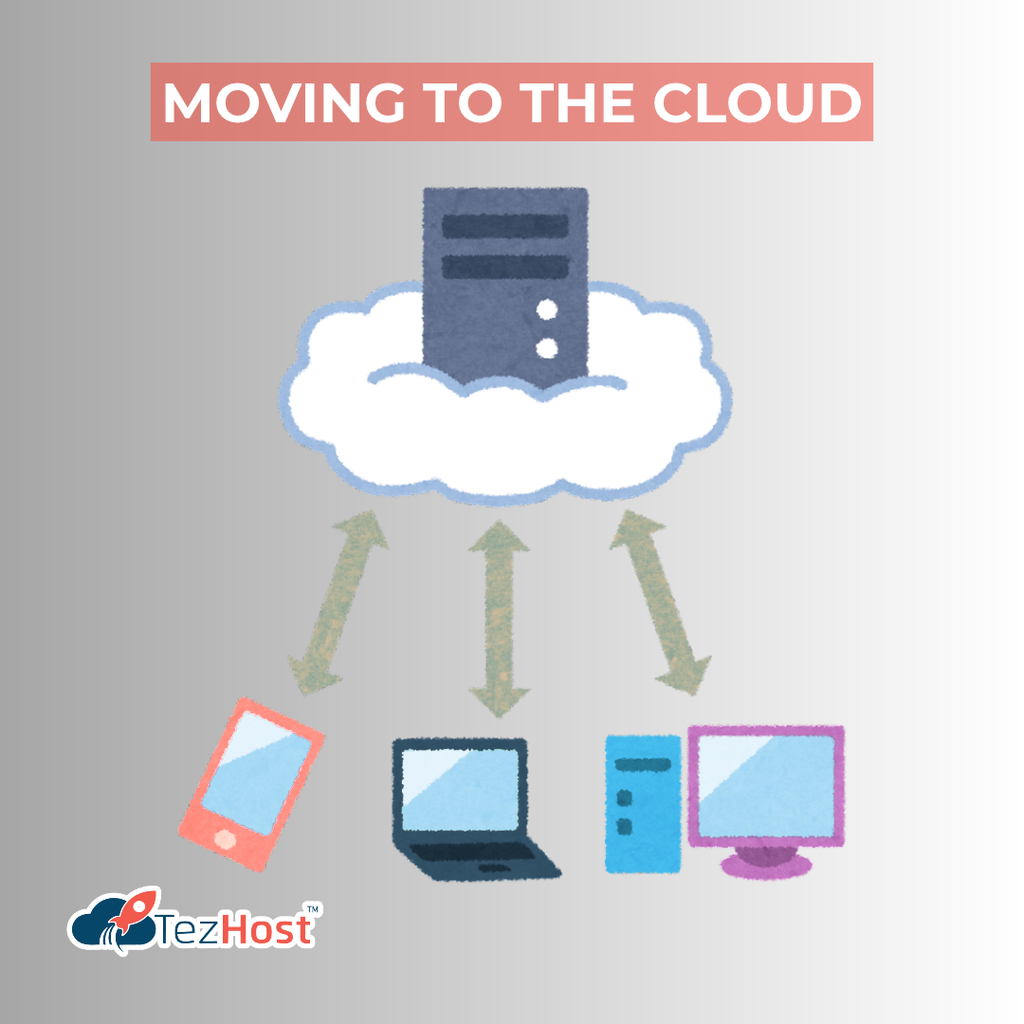
Cloud computing demand is growing because organizations want greater flexibility in how they deploy, maintain, and scale business applications.
Businesses increasingly depend on websites, online stores, customer management systems, databases, and custom software.
Cloud infrastructure can help support these systems without requiring organizations to operate all the underlying hardware themselves.
What Are the Main Business Benefits?
Flexibility
Businesses can select infrastructure configurations suited to their workloads.
Scalability
Resources may be adjusted as application requirements change.
Deployment Speed
Virtualized environments can often be provisioned more quickly than purchasing and installing physical servers.
Remote Accessibility
Cloud-hosted systems can support geographically distributed teams.
Infrastructure Management
Businesses can reduce certain physical hardware responsibilities.
Is Cloud Migration Always the Best Decision?
Not necessarily.
Some organizations may find that dedicated servers, hybrid infrastructure, or existing on-premises systems better suit particular workloads.
A migration should begin with a clear assessment of business goals, costs, compatibility, and security.
For practical guidance, explore:
Thinking about moving your website or application?
Talk to a TezHost sales agent to discuss available hosting options.
4. Is Cloud Computing a Good Career Choice in 2026?
Yes. The cloud career outlook remains promising for professionals who develop practical skills in cloud architecture, security, automation, networking, and application deployment.
However, opportunities vary by role, location, experience, and technical specialization.
Cloud technology is increasingly integrated into software development and IT operations.
This creates demand for professionals who understand how to design, deploy, secure, and maintain cloud-based systems.
Which Cloud Computing Jobs Are Worth Exploring?
| Career Path | Main Responsibilities |
|---|---|
| Cloud Engineer | Deploying and managing cloud infrastructure |
| Cloud Architect | Designing cloud systems and infrastructure |
| DevOps Engineer | Automating development and deployment workflows |
| Cloud Security Engineer | Protecting cloud environments and applications |
| Site Reliability Engineer | Improving service reliability and monitoring |
| Cloud Network Engineer | Designing and managing cloud networking |
| Cloud Developer | Building cloud-hosted applications |
| Cloud Consultant | Advising organizations on cloud adoption |
Are Cloud Jobs Actually Growing?
Employment trends differ across occupations.
For example, the U.S. Bureau of Labor Statistics projects 8% employment growth for computer network architects from 2025 to 2035, partly reflecting expanding cloud infrastructure requirements.
This is an indicator of demand for relevant infrastructure expertise, although it is not a forecast for every cloud-related occupation.
What Skills Should Beginners Learn?
Start with:
- Linux and operating system fundamentals.
- Networking and DNS.
- Virtual machines and server administration.
- Cloud infrastructure concepts.
- Basic cybersecurity.
- Python or another programming language.
- Containers and deployment workflows.
- Monitoring and troubleshooting.
- Infrastructure automation.
- Cloud cost management.
Our recommendation: Build practical experience alongside theoretical learning.
Deploying applications, configuring servers, and troubleshooting real environments can help develop valuable skills.
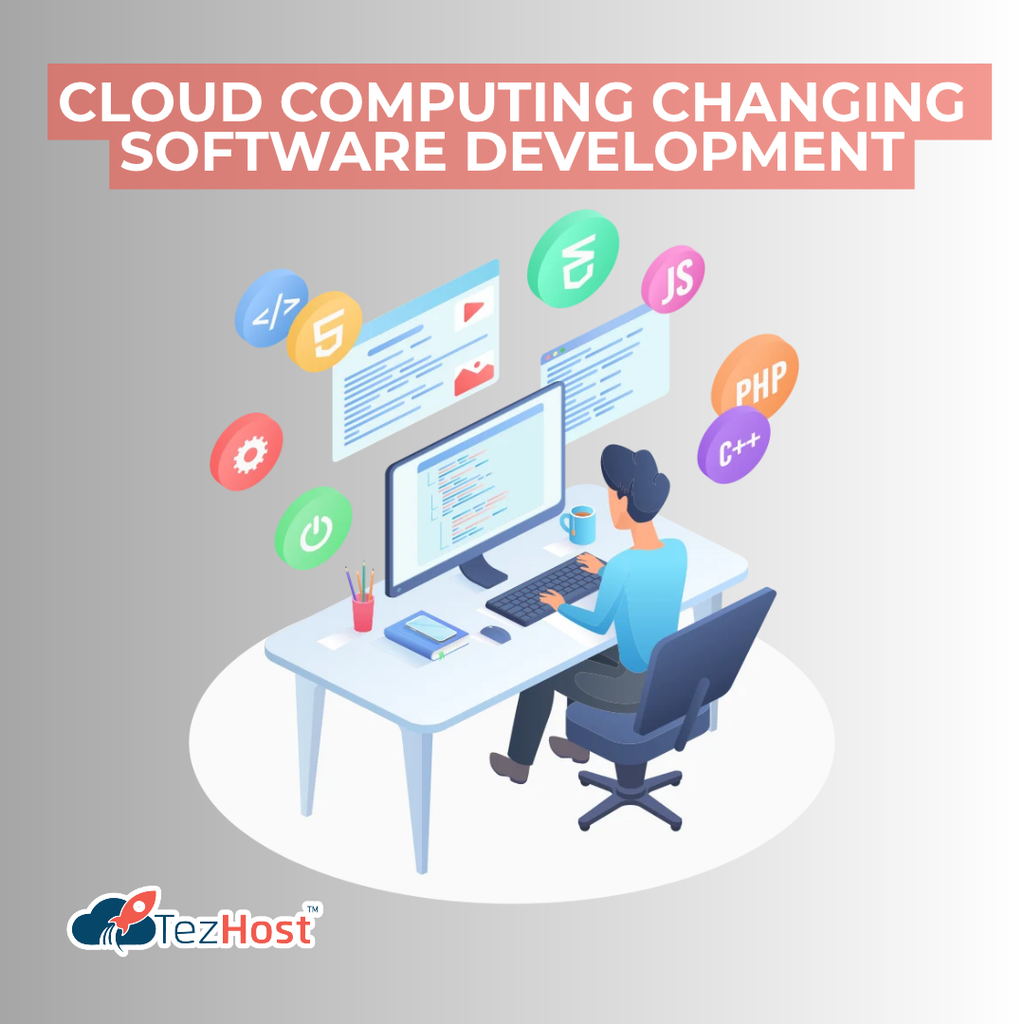
5. How Is Cloud Computing Changing Software Development?
Cloud computing demand is increasing as developers use hosted infrastructure to build, test, and deploy modern applications.
Software development has evolved beyond uploading website files to a traditional server.
Modern applications may require APIs, background processes, databases, deployment pipelines, and specialized runtime environments.
Why Do Developers Need Cloud Infrastructure?
Developers use cloud environments for:
- Application deployment.
- Software testing.
- Database hosting.
- API development.
- Continuous integration and deployment.
- Automation tools.
- Containerized applications.
- Development and staging environments.
What Hosting Options Are Available for Developers?
Different applications require different environments.
TezHost offers several hosting categories worth exploring.
| Hosting Solution | Suitable Applications |
|---|---|
| Node.js Hosting | JavaScript-based server applications |
| Python Hosting | Compatible Python websites and applications |
| DirectAdmin Hosting | Websites requiring DirectAdmin management |
| Plesk Windows Hosting | Supported Windows-based website technologies |
Does Every Developer Need Cloud Hosting?
No.
Some applications can operate effectively on shared hosting or traditional VPS environments.
Others require additional control, scalability, or specialized infrastructure.
Our recommendation: Choose hosting based on your application’s runtime, dependencies, resource usage, and deployment requirements.
Need help selecting a development environment?
Speak directly with a TezHost sales agent.
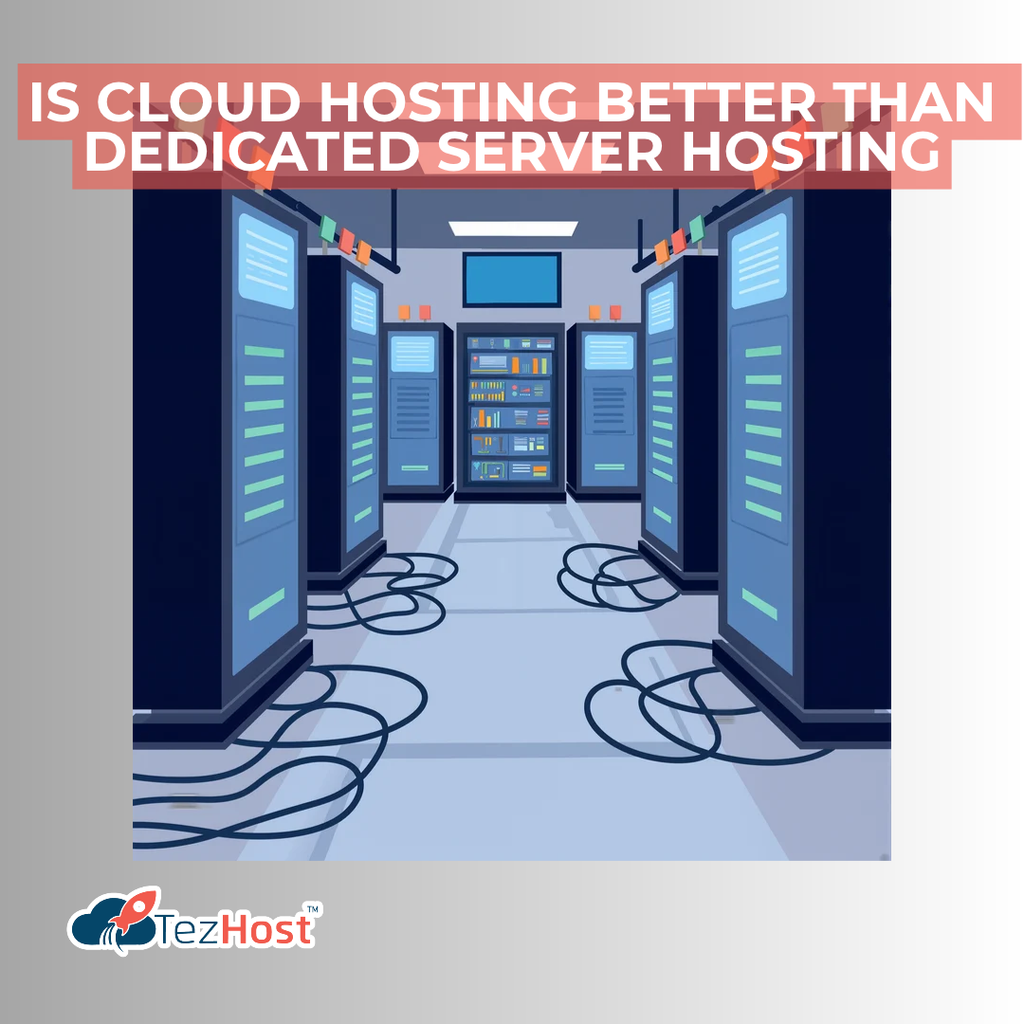
6. Is Cloud Hosting Better Than Dedicated Server Hosting?
Cloud computing demand is increasing, but cloud hosting isn’t automatically better than dedicated server hosting for every application.
Both approaches can support business-critical workloads.
The difference lies in how infrastructure resources are delivered, managed, and scaled.
Cloud Servers vs. Dedicated Servers
| Factor | Cloud Servers | Dedicated Servers |
|---|---|---|
| Infrastructure | Virtualized computing resources | Exclusive physical server |
| Resource Allocation | Depends on virtual server configuration | Physical hardware dedicated to one customer |
| Scalability | Often flexible, depending on platform | May require hardware upgrades |
| Server Control | Depends on service and management model | Extensive hardware-level configuration options |
| Pricing | Often based on allocated or consumed resources | Typically based on server configuration |
| Best For | Flexible application workloads | Applications requiring exclusive physical resources |
Which Option Should Businesses Choose?
Cloud servers can be suitable for organizations seeking flexible virtual infrastructure.
Dedicated servers may be appropriate for applications requiring exclusive physical hardware or specific configurations.
Neither option guarantees better performance in every situation.
For a more detailed comparison, read Cloud Servers vs. Dedicated Servers.
The right infrastructure is the one that matches your workload, budget, and operational requirements.
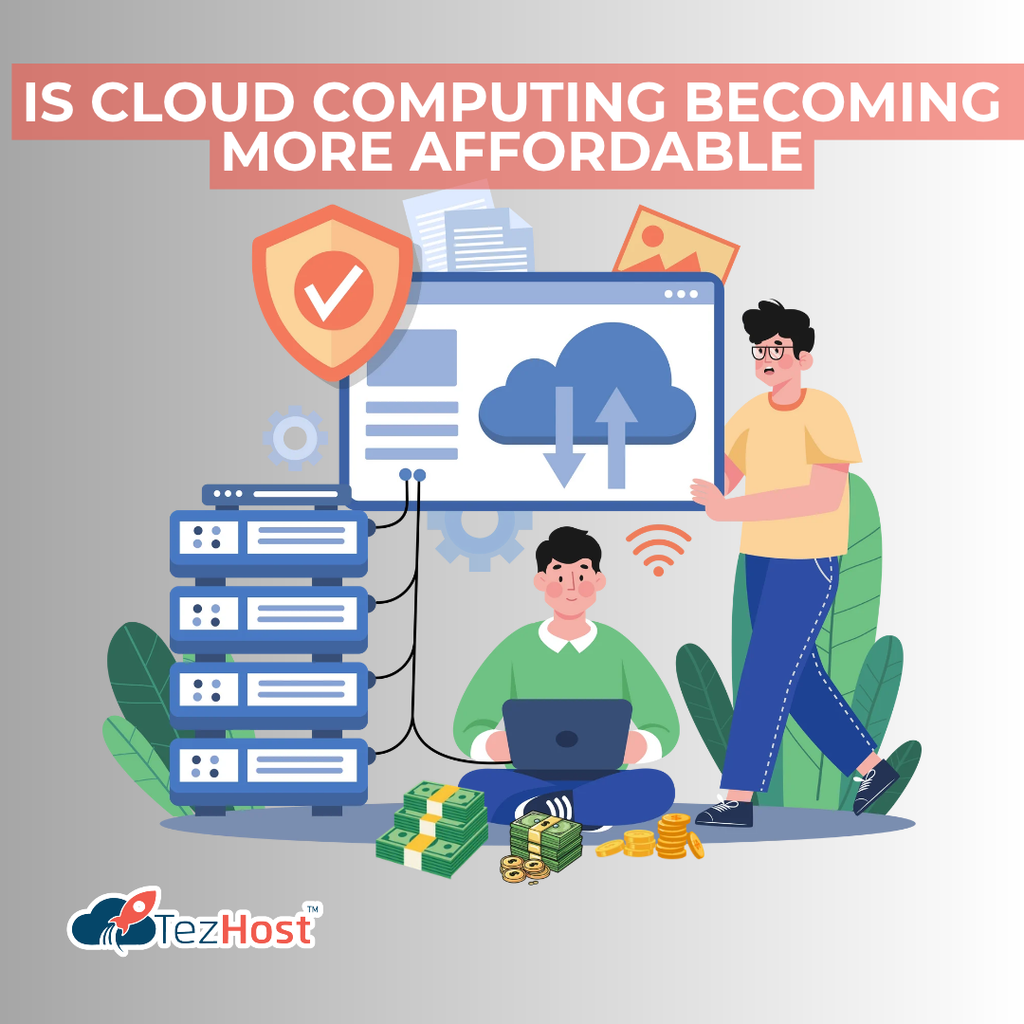
7. Is Cloud Computing Becoming More Affordable?
Cloud computing demand continues to grow partly because businesses can access computing resources without purchasing their own physical servers.
However, cloud services aren’t always cheaper than traditional infrastructure.
The total cost depends on how resources are configured and used.
What Determines Cloud Hosting Costs?
Common expenses include:
- CPU and RAM.
- Storage.
- Bandwidth.
- Software licensing.
- Backup services.
- Security tools.
- Technical management.
- Monitoring.
- Additional infrastructure services.
Can Cloud Computing Help Businesses Save Money?
Yes, in some circumstances.
For example, cloud infrastructure may reduce the need for upfront hardware purchases.
It may also provide opportunities to optimize resource usage.
However, poorly managed cloud environments can become expensive.
How Can Businesses Control Cloud Costs?
1. Choose Appropriate Resources
Avoid purchasing more CPU, RAM, or storage than necessary.
2. Monitor Resource Usage
Track infrastructure consumption and application performance.
3. Review Software Licensing
Understand which licenses are included and which require additional payments.
4. Plan for Growth
Consider how future resource requirements may affect operating expenses.
5. Compare Hosting Models
Evaluate cloud infrastructure against VPS, dedicated servers, and other suitable alternatives.
For a detailed breakdown, read our guide on Cloud Server Total Cost.
Want help estimating the infrastructure your project requires?
Contact a TezHost sales agent to discuss available configurations.
8. Can Entrepreneurs Benefit from Growing Cloud Computing Demand?
Yes. Increasing cloud computing demand can create business opportunities for entrepreneurs offering hosting, development, technical support, consulting, and related digital services.
Cloud technology supports a wide range of business models.
What Cloud-Related Businesses Can Entrepreneurs Start?
Cloud Hosting Services
Provide hosting solutions to customers with different infrastructure requirements.
Website Development
Build and maintain business websites and applications.
Managed IT Services
Offer server administration, monitoring, and maintenance.
Cloud Consulting
Help organizations assess their infrastructure and migration requirements.
Application Development
Create cloud-hosted software products and services.
Hosting Reseller Businesses
Offer hosting services to customers through an appropriate reseller arrangement.
Is Starting a Cloud Hosting Business Profitable?
It can be, but profitability depends on customer demand, infrastructure expenses, technical expertise, marketing, and service quality.
A hosting business also requires attention to support, security, billing, and customer retention.
For more information, explore How to Start a Cloud Hosting Business.
What About Reseller Hosting?
Reseller hosting can provide another entry point for entrepreneurs interested in selling hosting services.
Explore TezHost DirectAdmin Reseller Hosting to learn about available options.
Our recommendation: Build a clear business model and understand your support responsibilities before launching a hosting service.
9. Will Cloud Computing Demand Continue Growing Beyond 2026?
Cloud computing demand is expected to remain significant beyond 2026 as businesses continue investing in AI, application modernization, security, and digital infrastructure.
Industry forecasts point toward continued cloud market expansion.
Gartner’s December 2025 public cloud forecast projected approximately 20.7% growth in public cloud spending during 2026, with annual spending potentially reaching $1.49 trillion by 2029.
These are forecasts rather than guaranteed outcomes.
What Trends Could Shape the Future?
AI-Powered Applications
More organizations are integrating AI capabilities into existing products and business processes.
Cloud Security
Businesses need to protect increasingly complex applications and data environments.
Hybrid Infrastructure
Some organizations are combining cloud services with private or on-premises infrastructure.
Automation
Development and operations teams are increasingly automating repetitive infrastructure tasks.
Cost Optimization
Organizations are paying greater attention to efficient resource utilization.
Cloud-Native Development
Applications are increasingly being designed for modern deployment and infrastructure models.
Will Cloud Computing Replace Traditional Servers?
No.
Traditional hosting, dedicated servers, private infrastructure, and hybrid environments will continue serving workloads that benefit from those models.
Cloud computing is expanding the available infrastructure options rather than eliminating every alternative.
The future is likely to involve choosing the right combination of technologies for each business requirement.
Cloud Computing Demand in 2026: Key Market and Career Indicators
Understanding cloud computing demand requires looking at both infrastructure spending and employment trends.
| Indicator | Recent Figure or Forecast | What It Suggests |
|---|---|---|
| Global cloud infrastructure spending | $143 billion in Q2 2026 | Strong enterprise investment |
| Annual cloud infrastructure growth | 43% in Q2 2026 | Rapid market expansion |
| Gartner public cloud growth forecast | 20.7% for 2026 | Continued spending growth expected |
| Gartner public cloud market projection | $1.49 trillion annually by 2029 | Long-term market expansion forecast |
| U.S. computer network architect employment | 8% projected growth, 2025–2035 | Positive outlook for a related infrastructure occupation |
Important: These figures measure different things. Cloud infrastructure revenue, total public cloud spending, and employment projections should not be treated as interchangeable statistics.
How Is TezHost Revolutionizing Cloud Hosting with Its Approach?
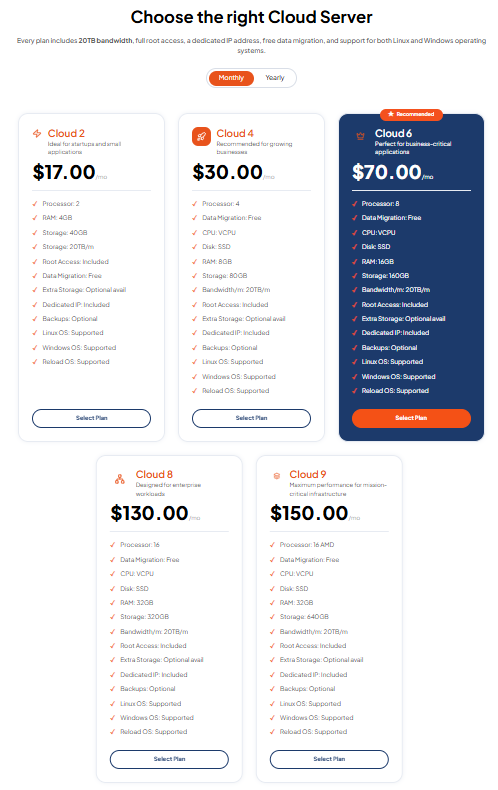
At TezHost, we believe increasing cloud computing demand should translate into more accessible infrastructure options for businesses, developers, and entrepreneurs.
Cloud technology shouldn’t be unnecessarily complicated.
Customers should be able to explore hosting solutions based on their technical requirements, business goals, and budgets.
1. Making Hosting Accessible to Different Businesses
Not every business needs enterprise-scale infrastructure.
A startup launching its first website has different requirements from an organization operating resource-intensive applications.
TezHost offers hosting options for different types of customers and workloads.
2. Supporting Modern Development Technologies
Developers increasingly need hosting environments that support modern programming languages and application frameworks.
TezHost offers specialized hosting categories, including Node.js, Python, DirectAdmin, and Windows hosting.
This gives customers additional options when selecting infrastructure for their projects.
3. Helping Businesses Explore Suitable Infrastructure
Cloud hosting is not always the best solution for every application.
We encourage customers to evaluate their technical requirements before choosing a hosting plan.
Important considerations include CPU, RAM, storage, software compatibility, security, and expected growth.
4. Creating Opportunities for Entrepreneurs
The growth of online businesses has increased interest in website hosting, development, and reseller services.
TezHost offers reseller hosting options for customers exploring hosting-related business opportunities.
5. Connecting Domain Registration with Hosting Services
Building an online presence often begins with choosing a domain name.
TezHost provides Domain Registration Services alongside its hosting offerings.
6. Providing Customer-Focused Assistance
Understanding hosting requirements can be challenging, particularly for customers launching new projects.
Our sales team helps customers explore available services and configurations.
Why invest in infrastructure without understanding what your project actually needs?
Talk directly to a TezHost sales agent and discuss your requirements.
Visit TezHost to explore our services.
Frequently Asked Questions About Cloud Computing Demand
1. Is cloud computing in high demand in 2026?
Yes. Cloud computing demand remains strong in 2026, supported by enterprise infrastructure investment, artificial intelligence, application modernization, and digital transformation.
Recent market research shows substantial growth in global cloud infrastructure spending.
2. Why is cloud computing growing so fast?
Cloud computing is growing because businesses need flexible infrastructure for applications, data processing, AI, automation, and online services.
Organizations are also modernizing existing systems and adopting new deployment technologies.
3. Is cloud computing a good career in 2026?
Yes. Cloud-related careers can offer opportunities in engineering, architecture, security, DevOps, and software development.
However, job prospects depend on practical skills, experience, specialization, and local market conditions.
4. Which cloud computing skills are most in demand?
Important skills include cloud infrastructure management, Linux, networking, cybersecurity, automation, containers, DevOps, monitoring, and cloud cost optimization.
The most relevant skills depend on the job role.
5. Is cloud computing difficult to learn?
Cloud computing can be challenging for beginners, but foundational knowledge of networking, operating systems, and servers makes learning easier.
Practical projects can help learners develop confidence.
6. Is cloud computing still worth learning with AI becoming more popular?
Yes.
AI applications frequently depend on cloud infrastructure, making cloud knowledge relevant to many AI-related development and operations roles.
7. Will AI replace cloud computing jobs?
AI may automate some repetitive infrastructure tasks, but it also creates demand for professionals who can design, secure, integrate, and manage complex systems.
The impact varies across occupations.
8. Is cloud computing expensive for small businesses?
Not necessarily.
Costs depend on the resources and services required.
Small businesses may use modest hosting configurations, while larger applications may require more expensive infrastructure.
9. What industries use cloud computing?
Cloud computing is used across technology, finance, healthcare, education, retail, manufacturing, media, and many other industries.
Applications range from basic websites to complex data platforms.
10. Can I start a business using cloud computing?
Yes.
Cloud technology supports businesses offering website hosting, software development, managed services, consulting, and digital applications.
However, success depends on business planning, technical capabilities, and customer demand.
11. Is cloud hosting better than traditional web hosting?
Not always.
Cloud hosting can offer flexible infrastructure, while traditional hosting may be suitable for simpler websites.
The right option depends on performance requirements, technical control, budget, and application needs.
12. How can I get started with cloud hosting?
Begin by identifying your application’s requirements, including operating system, CPU, RAM, storage, and expected traffic.
Then compare suitable hosting services.
You can contact a TezHost sales agent to explore available hosting options.
Conclusion: Is Cloud Computing Still Worth Investing In?
Cloud computing demand is strong in 2026, and current industry research suggests that the market has substantial room for further development.
Artificial intelligence, application modernization, digital transformation, and online business growth are all contributing to the expansion of cloud infrastructure.
For IT professionals, this creates opportunities to develop valuable technical skills.
For businesses, cloud technology offers additional options for deploying and managing applications.
For entrepreneurs, it opens possibilities in hosting, software development, consulting, and digital services.
However, cloud computing isn’t automatically the best or cheapest solution for every project.
The smartest approach is to understand your requirements, compare infrastructure options, and invest in technology that delivers genuine value.
At TezHost, we believe modern hosting should be accessible to businesses and developers at different stages of growth.
Ready to Explore Your Cloud Hosting Options?
Whether you’re launching a website, deploying a custom application, or expanding your digital infrastructure, choosing the right hosting environment matters.
Don’t just follow the cloud computing trend. Find the infrastructure that fits your goals.
Explore TezHost Hosting Solutions.
Need help choosing the right configuration?
Talk to a TezHost sales agent today.
Or register with TezHost to get started.
The future of technology is evolving. Make sure your infrastructure is ready to grow with it.